Create donor records built for context
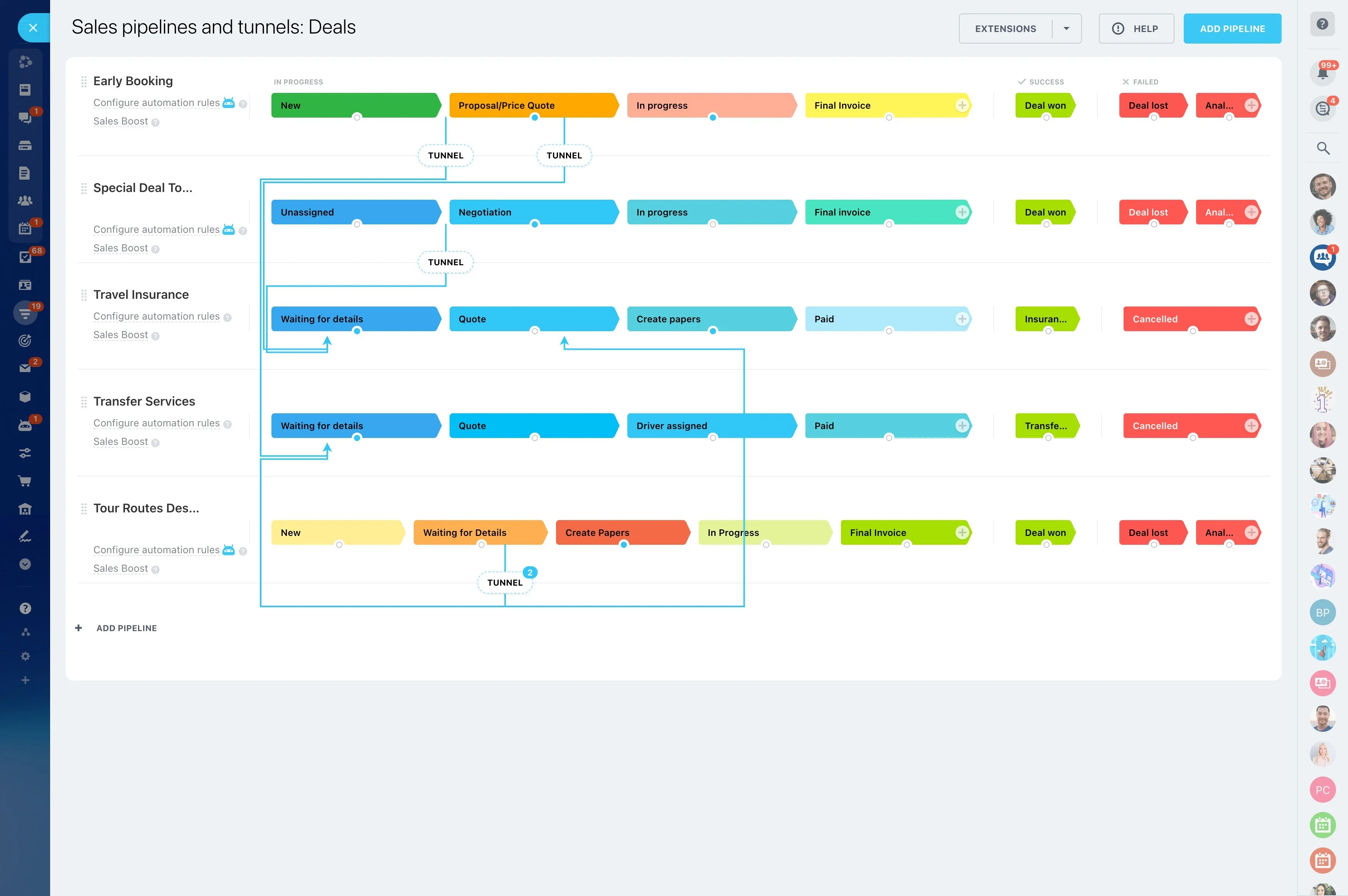
Fundraising is relationship management with a clear timeline: identification, qualification, cultivation, a solicitation, a decision, and stewardship that leads to renewal. A CRM for fundraising should show you where each donor or sponsor is in that lifecycle, who owns the next step, and which appeal, event, or program the work supports.
Bitrix24 can be used as fundraising CRM software to keep donor profiles, manage asks through defined pipeline stages, coordinate campaign work, and record every interaction in context. When a development officer hands off to an event lead or executive director, the record history and scheduled next steps keep stewardship consistent—whether the supporter gives once, pledges, or joins monthly giving.
- Track individuals and organizations with clear ownership
- Move asks through stages from qualification to stewardship
- Keep calls, emails, meetings, and notes tied to the donor
- Plan thank-you, impact updates, and renewal touchpoints
Maintain a usable communication trail
Fundraising continuity depends on what was discussed and promised—not just the final outcome. Keep calls, emails, meetings, and notes logged against the donor so the next conversation starts with context.
This supports clean handoffs, reduces repeated questions, and helps outreach stay personal and timely.
Map your donor journey to pipeline stages
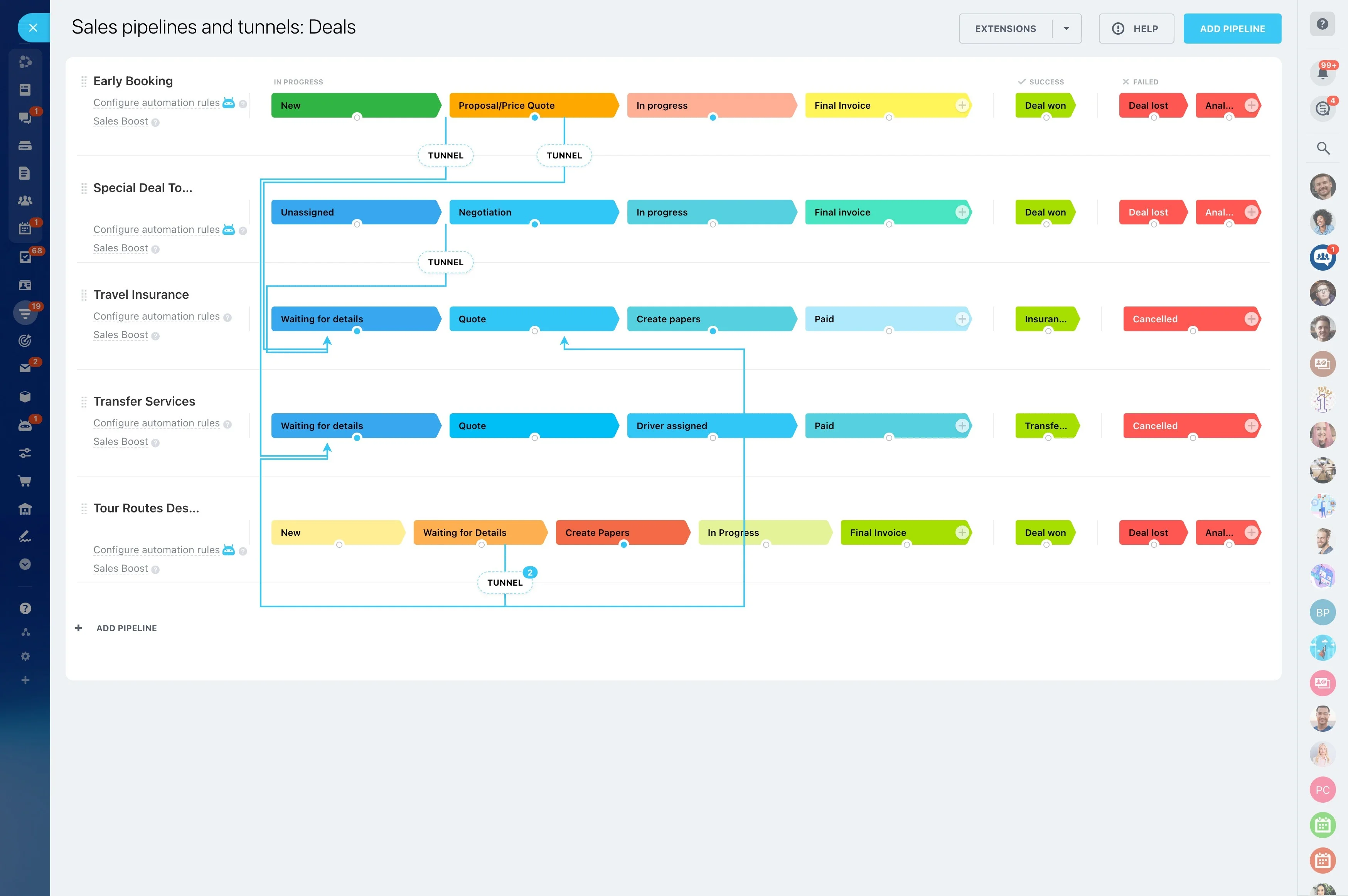
Most fundraising work follows repeatable stages—identify, qualify, cultivate, solicit, close, steward. Represent those steps as pipeline stages so each active ask has an owner and a next action.
That makes it easier to answer operational questions quickly: who is ready for an ask this month, which proposals are pending, and where opportunities are stalling.
Create donor records built for context
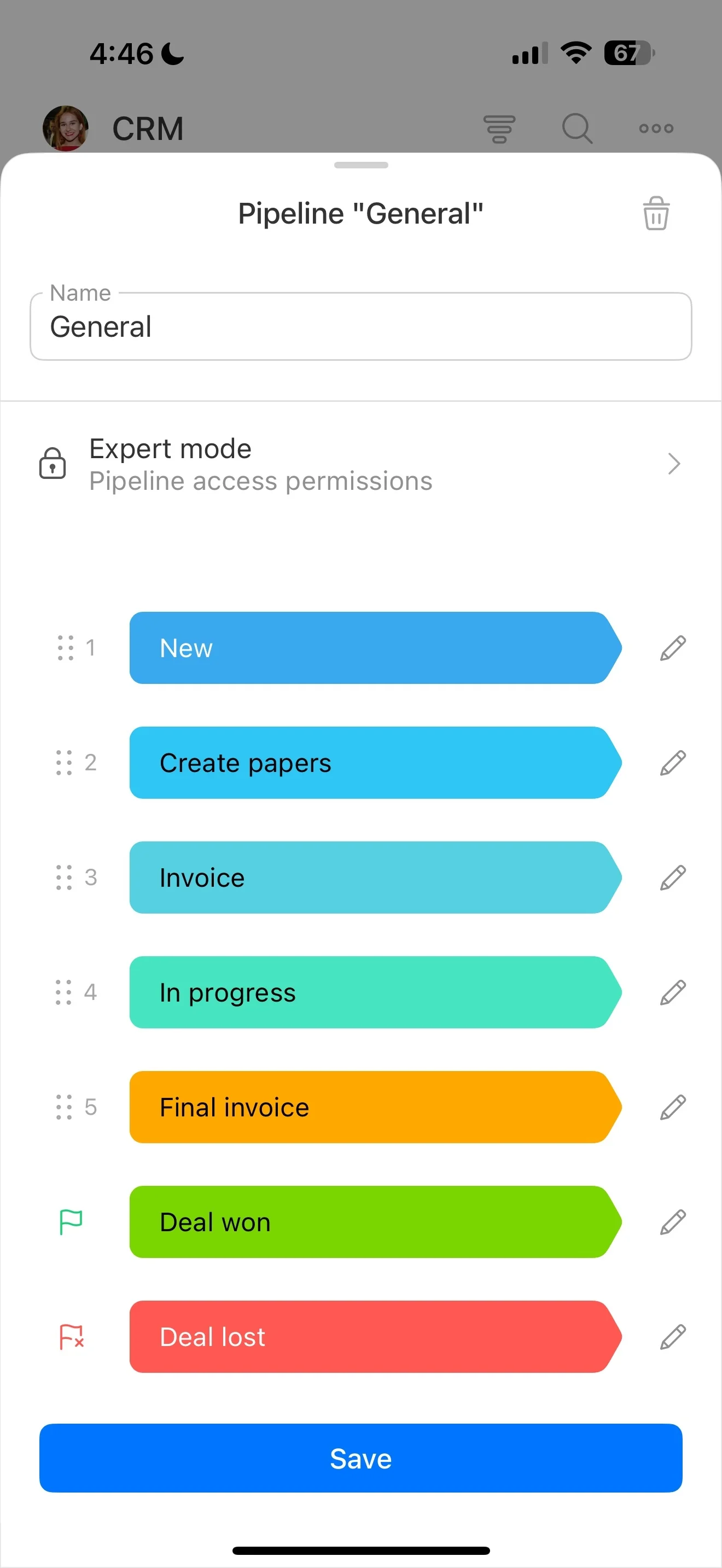
A fundraising record needs more than a name and email. Capture relationship notes, giving preferences, key contacts at an organization, and the touch history that led to a decision.
With one shared record, everyone working the relationship can stay aligned on sensitivities, commitments, and what should happen next.
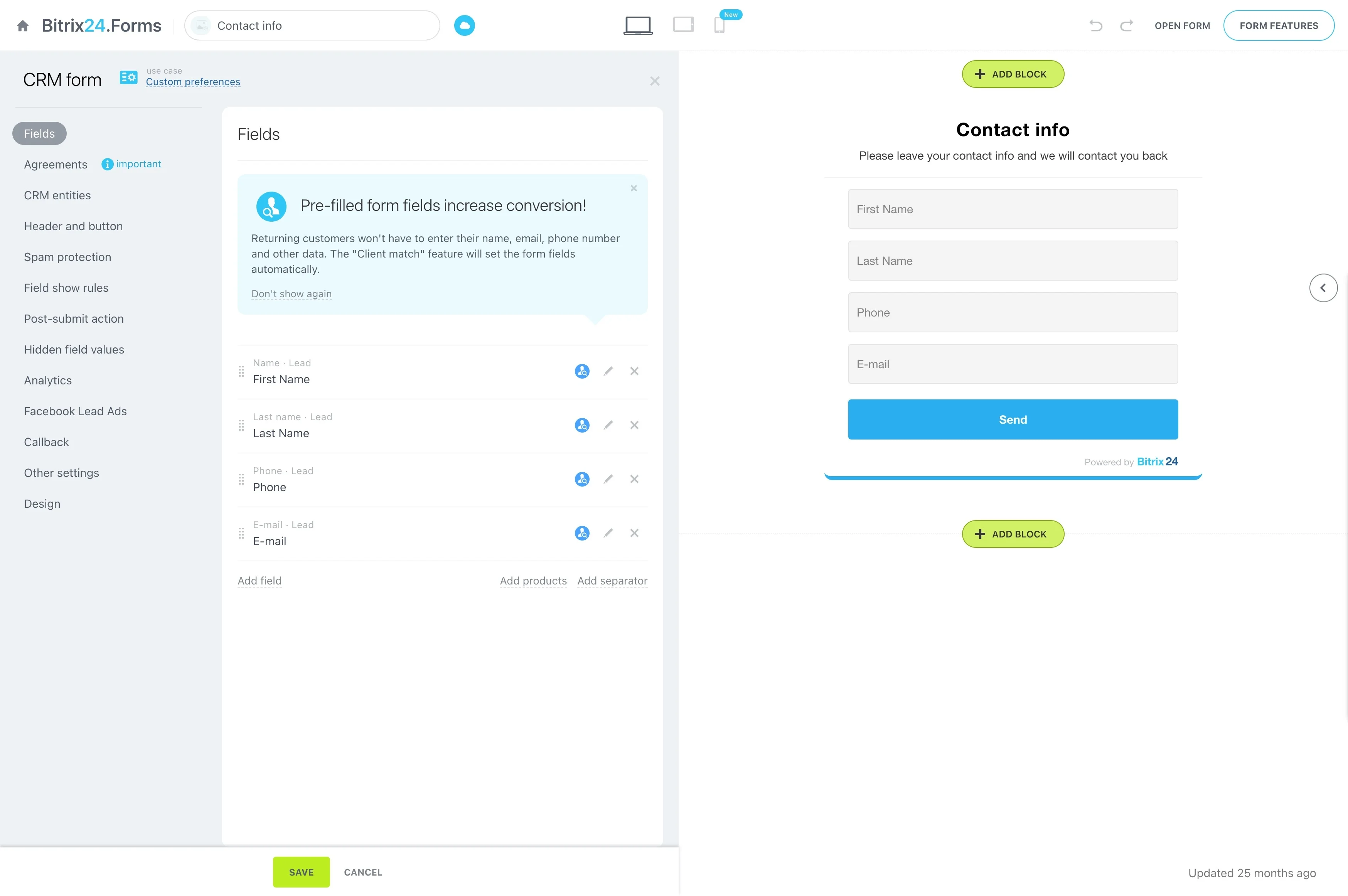
Coordinate campaign execution with assigned work
Campaigns include list-building, outreach prep, call blocks, event follow-ups, and response tracking. Use assigned tasks and deadlines to keep that work moving against the campaign calendar.
As responses come in, connect outcomes back to the donor and the active ask so every “yes,” “not now,” or “maybe” becomes a clear next step.
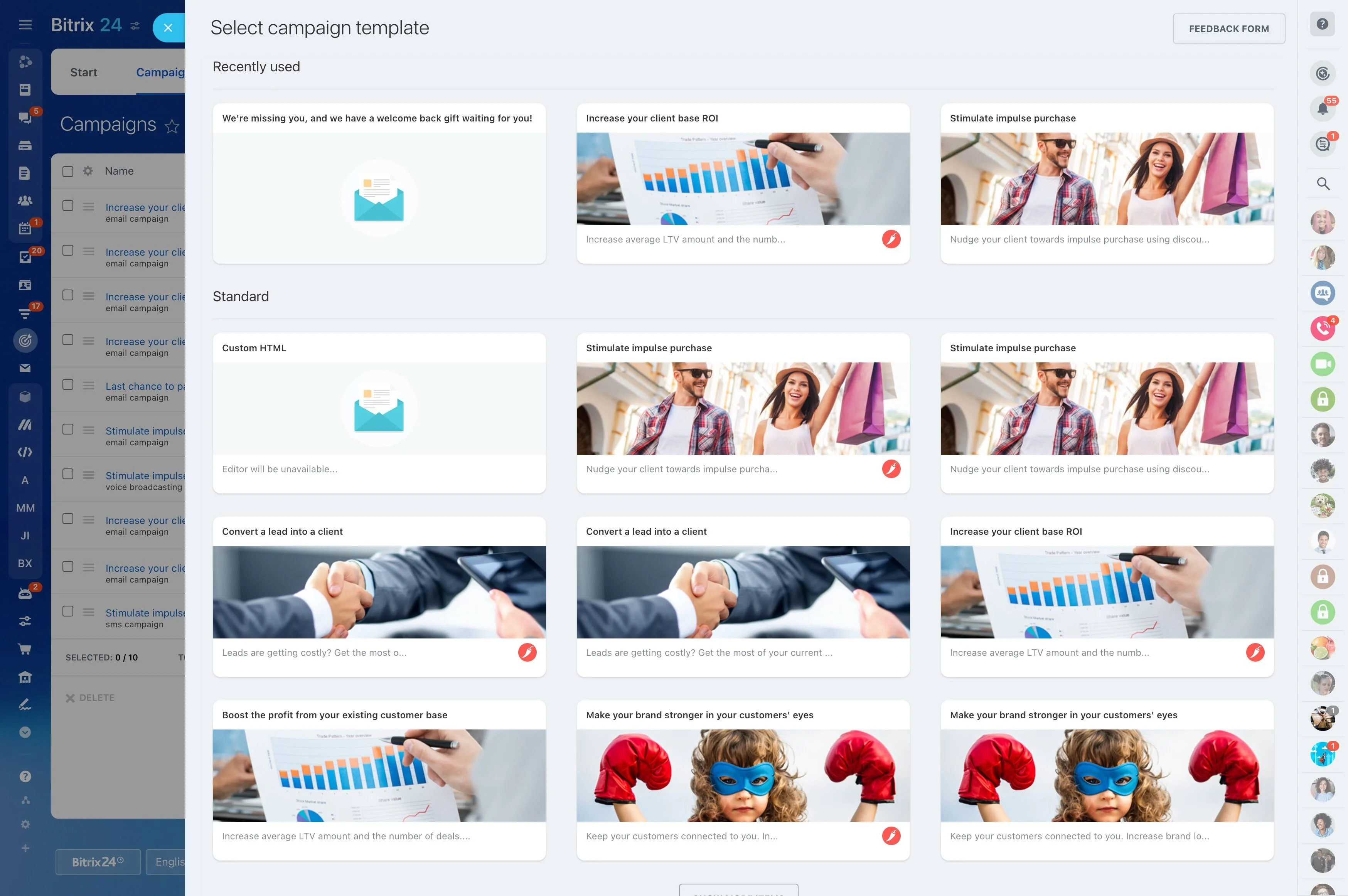
Turn stewardship and renewals into scheduled work
Pledges, first gifts, and recurring giving all require follow-through. Treat stewardship as a planned sequence: thank-you steps, impact updates, reporting commitments, and renewal outreach.
When those actions are scheduled and owned, monthly donors and repeat supporters get consistent engagement between campaigns.
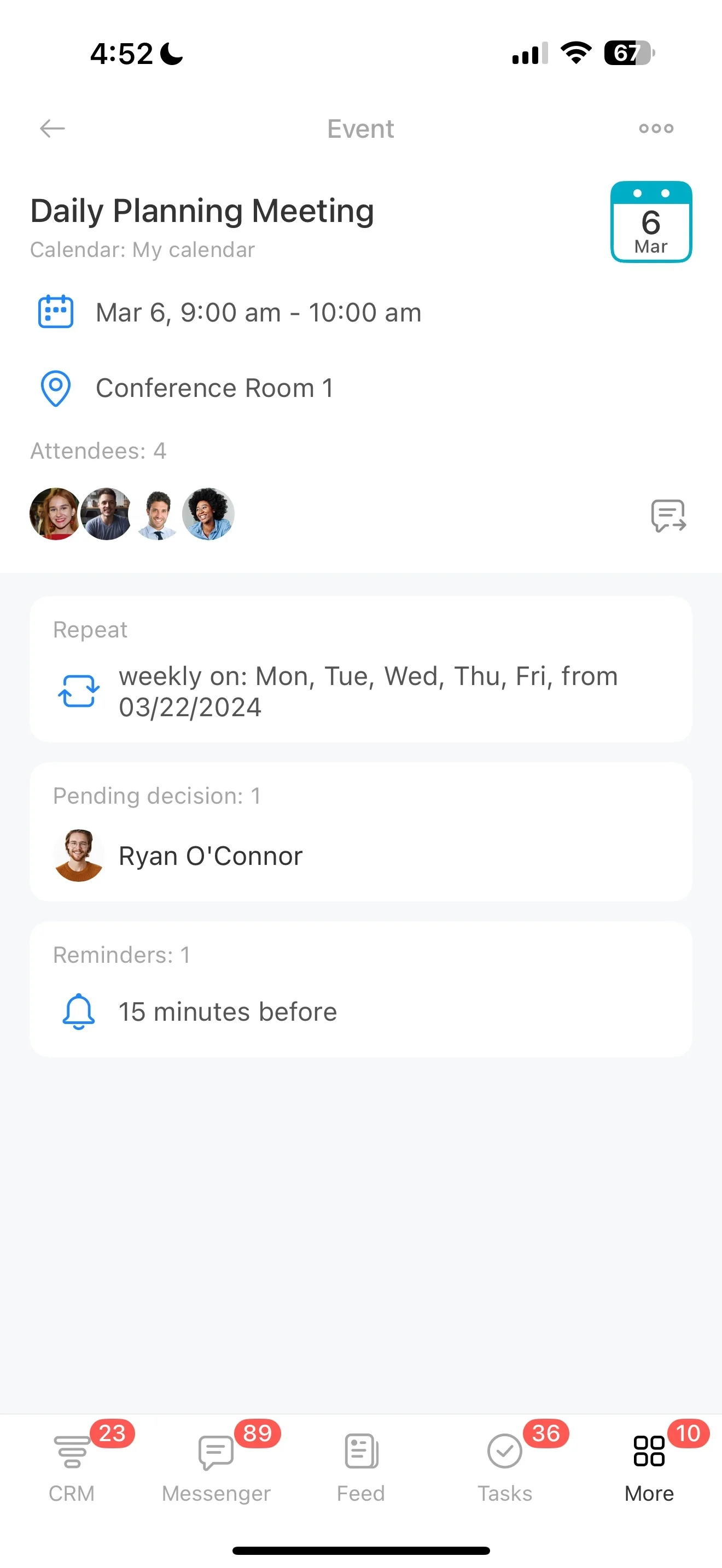
Example workflow: event contact to monthly giving
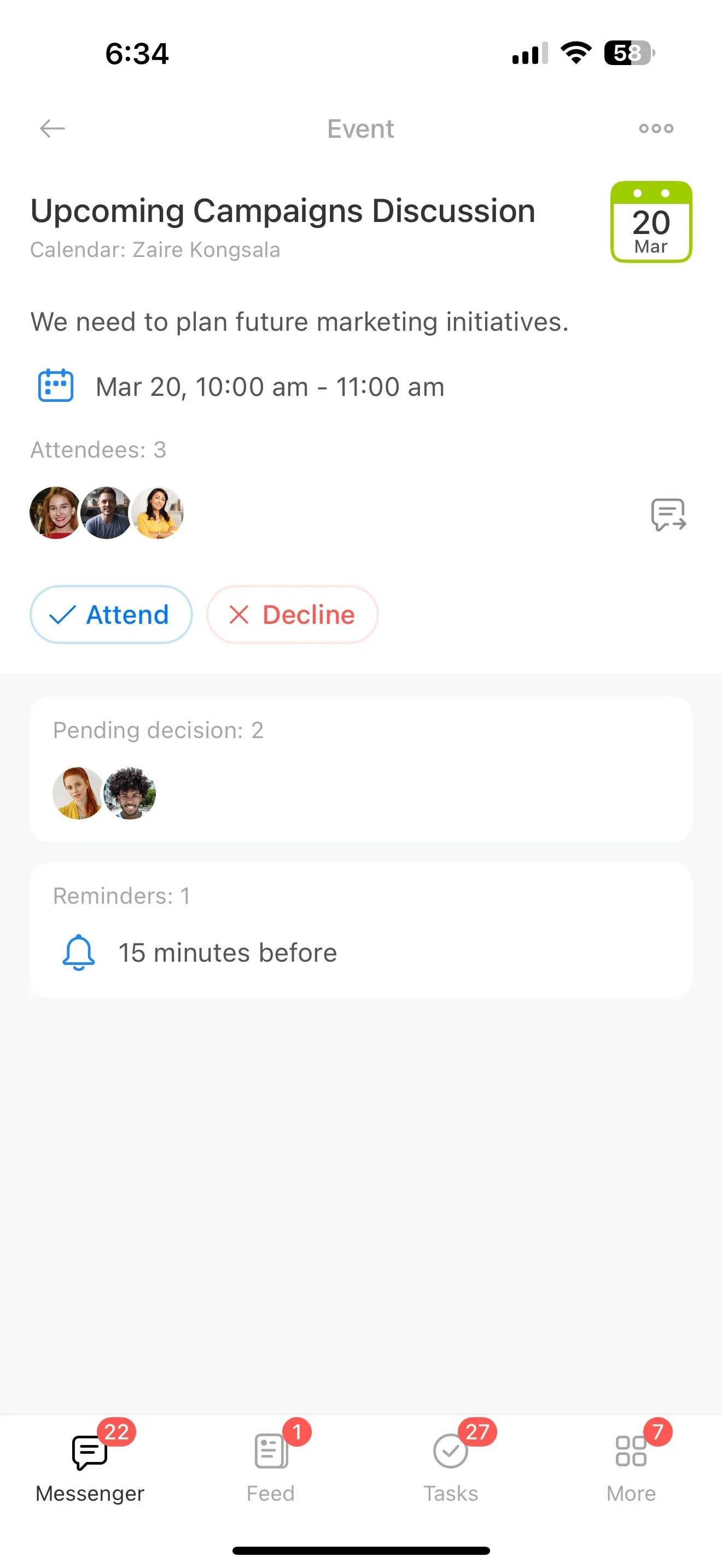
Scenario: A new contact meets your team at a community event and asks about supporting a program.
- Create a donor record and capture context (program interest, preferred contact method, who met them, and notes).
- Add an ask to your fundraising pipeline at Qualification and assign an owner.
- Schedule the follow-up call and log the outcome on the donor record.
- Move to Cultivation and plan touchpoints (program update, site visit invite, leadership meeting).
- When they’re ready, move to Solicitation and record the ask details and decision date.
- After the first gift, move to Stewardship and schedule thank-you steps plus a monthly giving invitation.
- If they start recurring giving, set a renewal and stewardship cadence to keep engagement active.