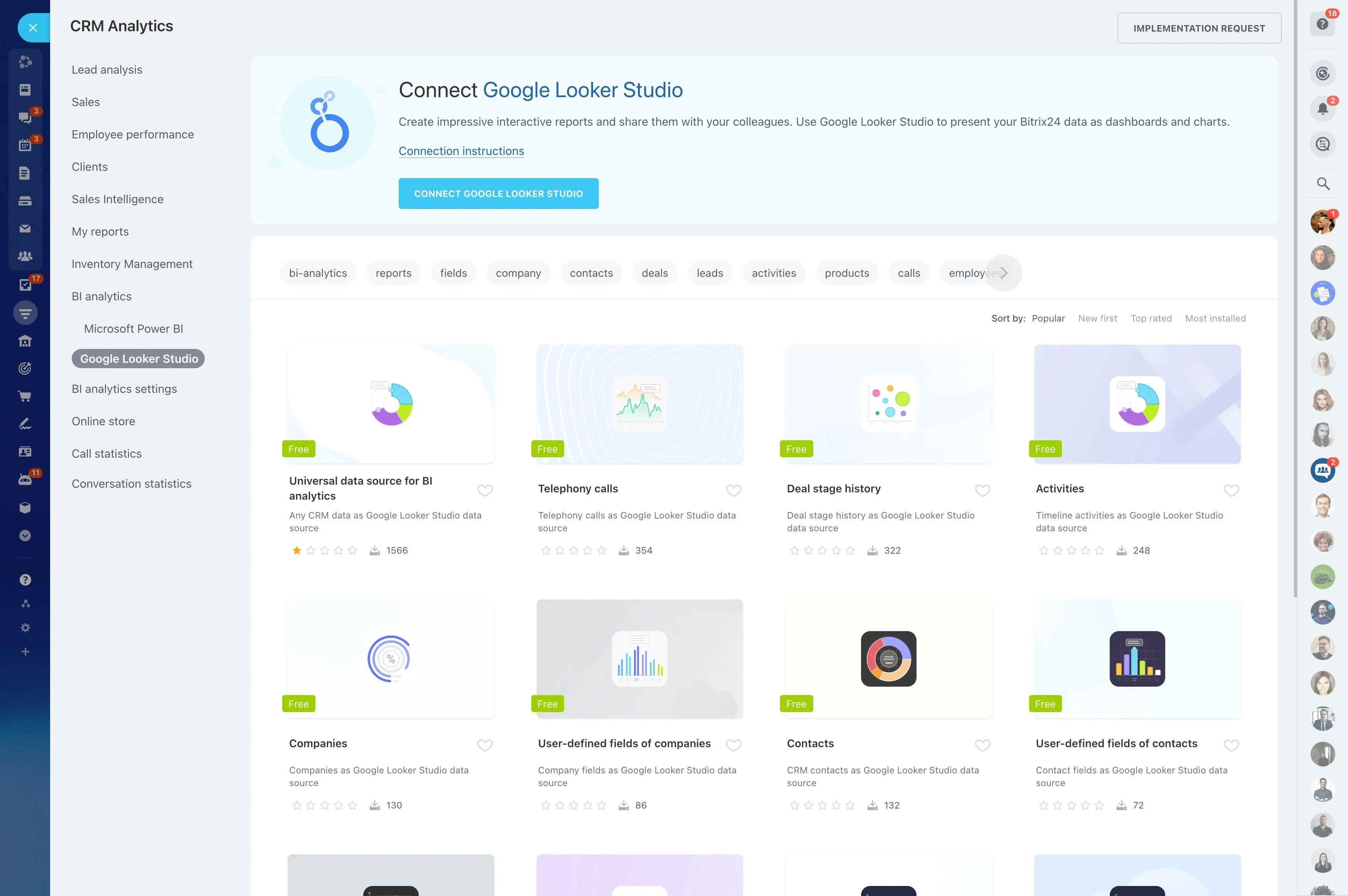
Structure pipelines around how your agency sells and delivers work
For a marketing agency, a “closed deal” is the start of a chain: scope and package decisions, onboarding, creative and campaign delivery, client approvals, and recurring billing or renewals. When those pieces live in different places, teams lose the thread—what was sold, what changed, what the client approved, and what’s ready to invoice.
Bitrix24 is designed to keep that engagement context together. Run new-business and existing-client opportunities through stages that match your service lifecycle, then keep delivery and approvals connected to the same client record used for commercial conversations. Sales, account management, and delivery leads can see the current status, owners, and decision history without rebuilding context on every handoff.
- Structure pipelines around how your agency sells and delivers work
- Attach deliverables, feedback, and approvals to the right engagement
- Carry scope and change context into billing and renewals
Standardize sales-to-delivery handoffs
Handoffs are predictable in agencies—sales to account management, account management to delivery, delivery to reporting, then finance for invoicing. Make the next owner and required handover items explicit at each stage.
Use the engagement record to carry the handoff package: scope summary, target audience, brand assets, key deadlines, budget boundaries, and success criteria, so delivery can start with confidence.
Build pipelines that reflect how agencies deliver
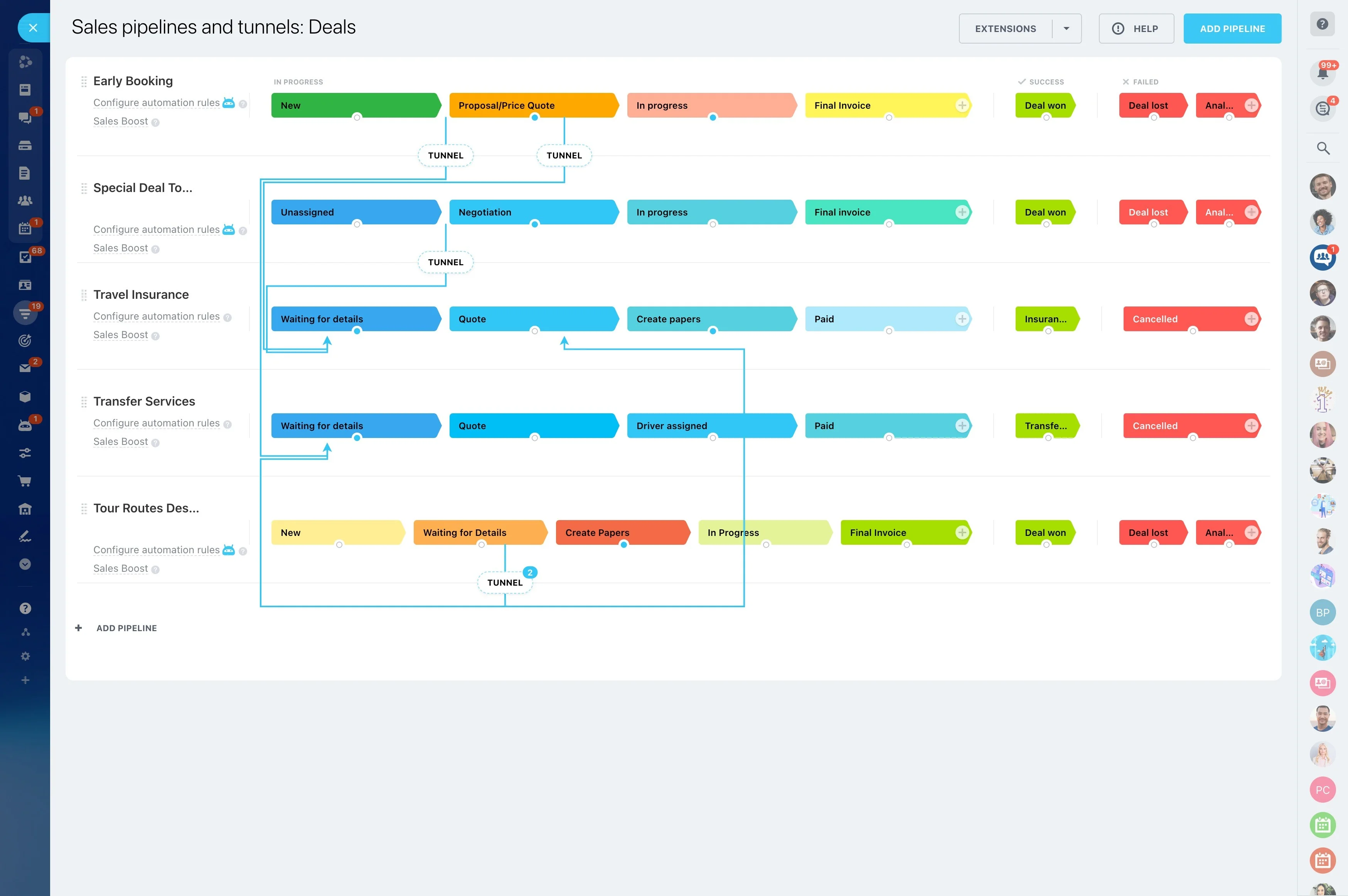
Set up deal stages that mirror your real lifecycle: inbound inquiry, discovery, proposal, scope sign-off, onboarding, active delivery, and renewal/expansion. If your workflows differ by service line, separate pipelines (for example, retainers vs. one-off builds) so owners and checkpoints stay clear.
Keep the essentials on the engagement record—stakeholders, service package, start date, contract notes, and your definition of “done”—so account managers can pick up the work without re-running discovery.
Tie campaign deliverables to each engagement
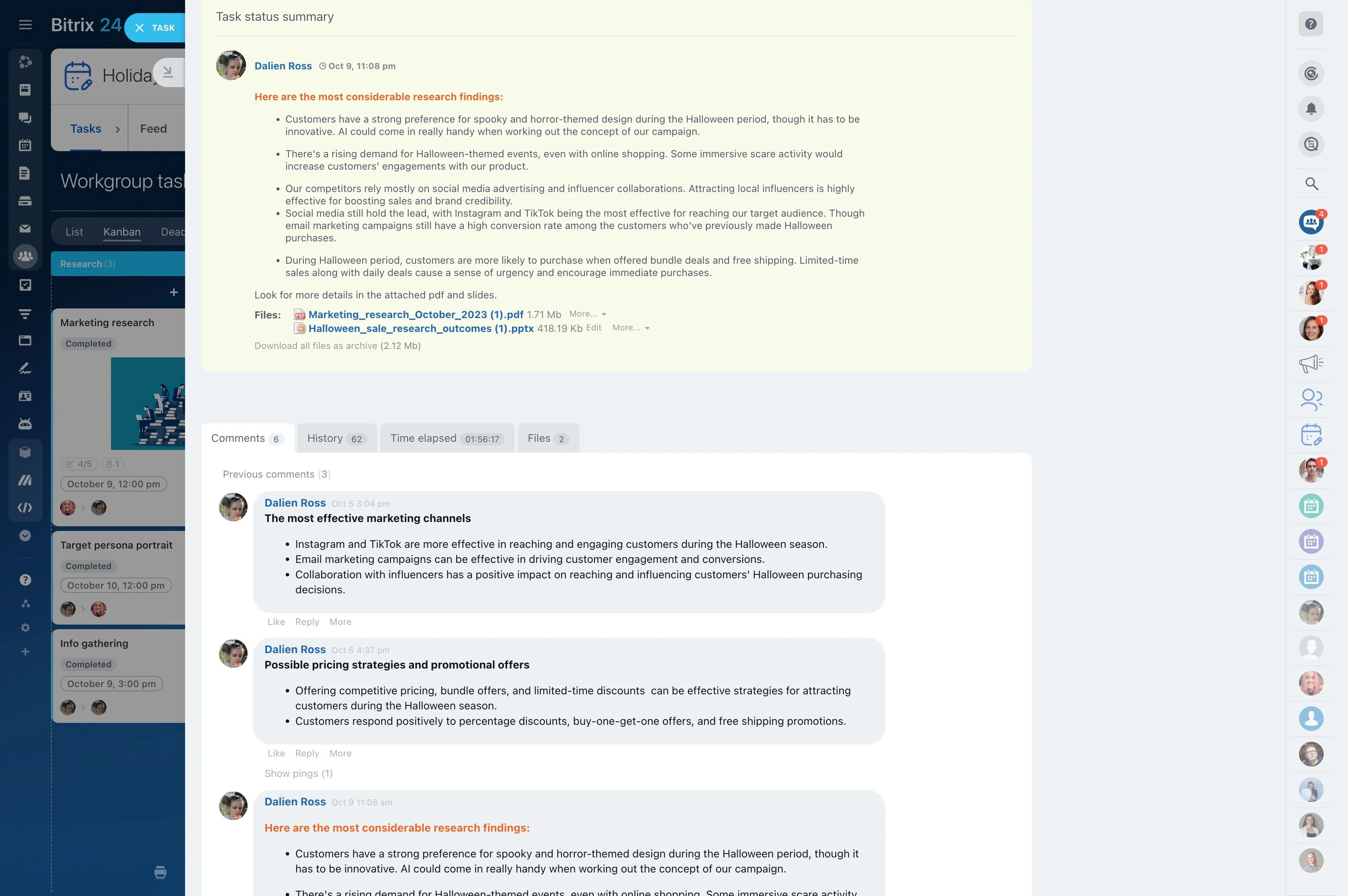
Use the client record as the working context for what’s being produced, not just what was sold. Link delivery work to the specific engagement so an account manager can answer “what’s live, what’s next, and what’s blocked” in one view.
- Track deliverables like ad creatives, landing pages, email sequences, content calendars, and reporting
- Organize work by campaign, month, or sprint for clear prioritization
- Keep key decisions and outcomes attached for renewals and upsells
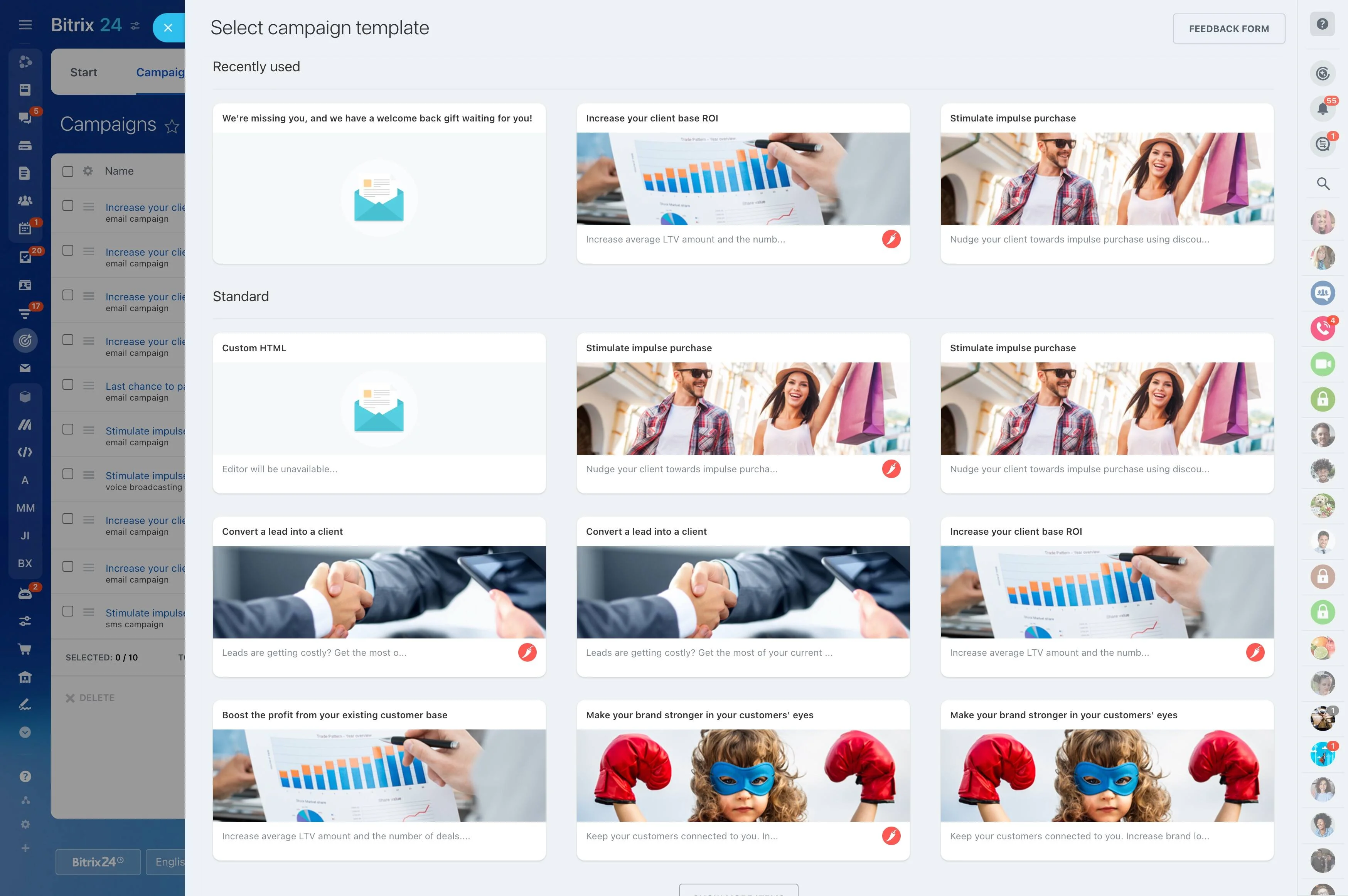
Create a clear approval path for creative work
Creative and launch timelines usually slip at review time. Define checkpoints such as Draft ready, Client review, Revisions, and Approved for launch so everyone knows what’s waiting, who must sign off, and what “approved” means.
Capture feedback and final decisions against the specific deliverable to reduce rework, protect scope, and keep client conversations grounded in what was actually reviewed.
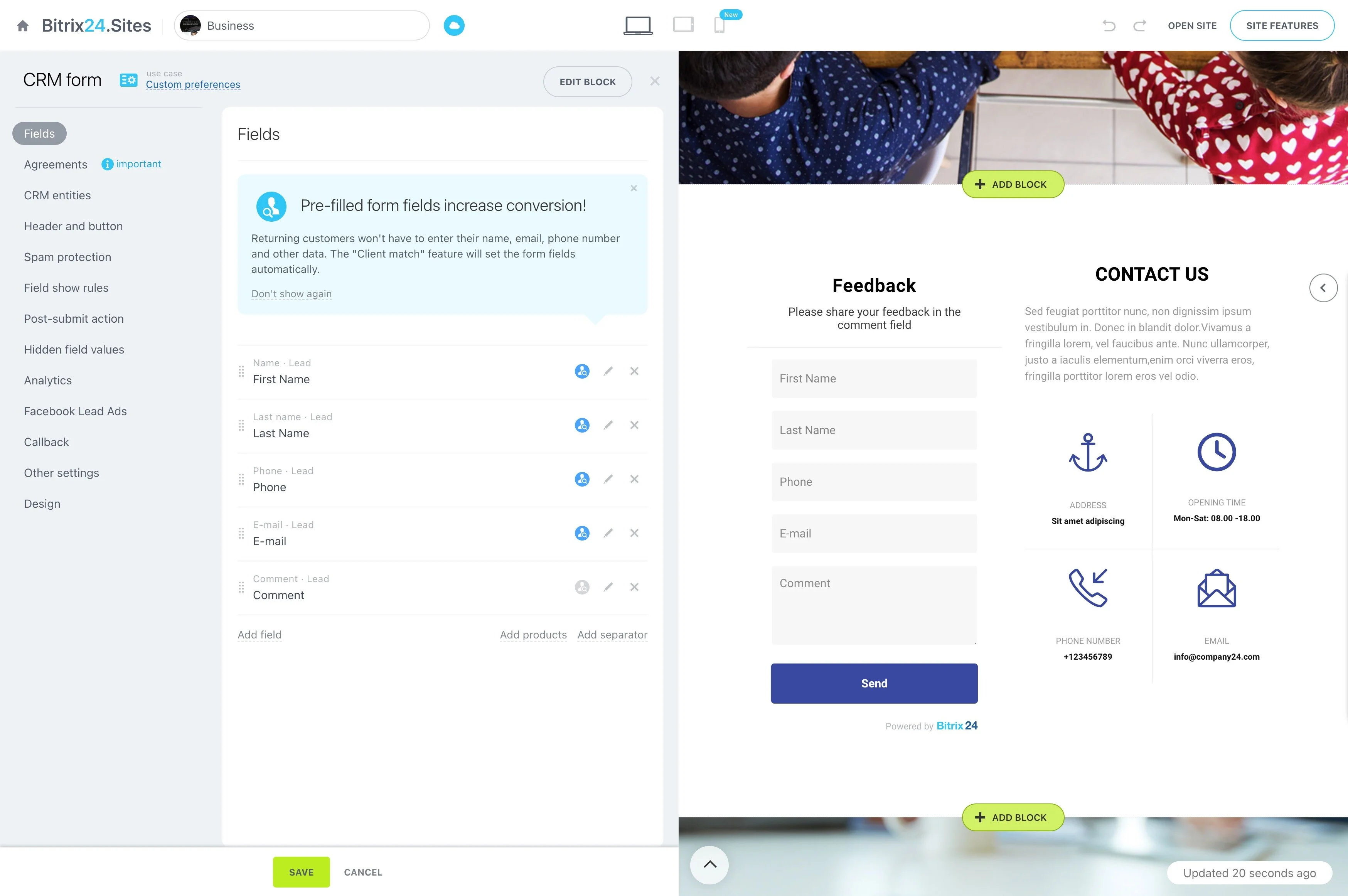
Keep invoicing and renewal context connected
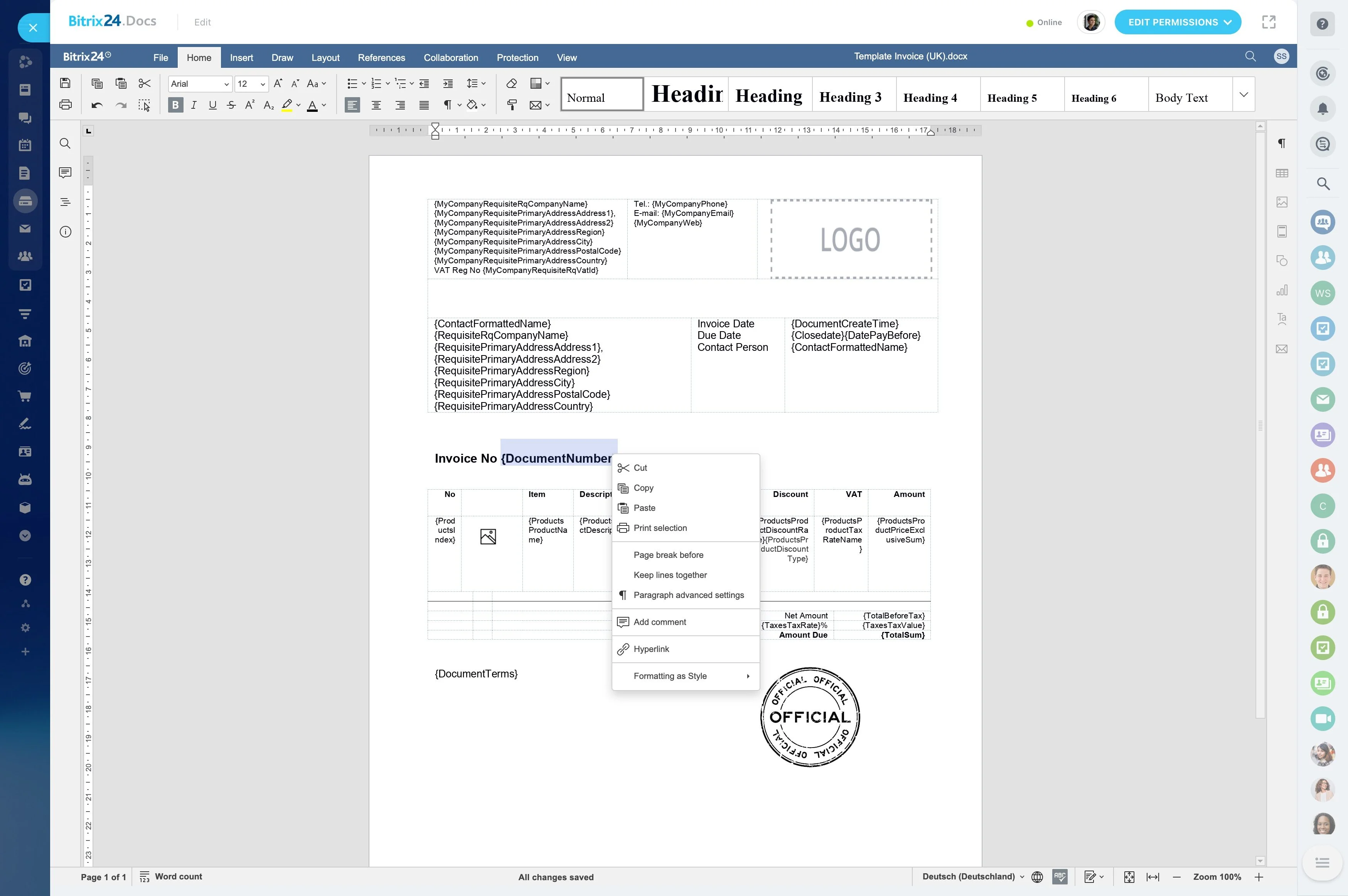
Billing gets messy when the team can’t quickly prove what was included, what changed, and what was approved. Store billing-relevant notes with the engagement so invoices and renewal conversations match delivery reality.
- Record the commercial structure (project fee, retainer, add-ons) alongside the engagement
- Log out-of-scope requests and approved changes as they happen
- Base renewals and expansions on delivered work and next-step plans
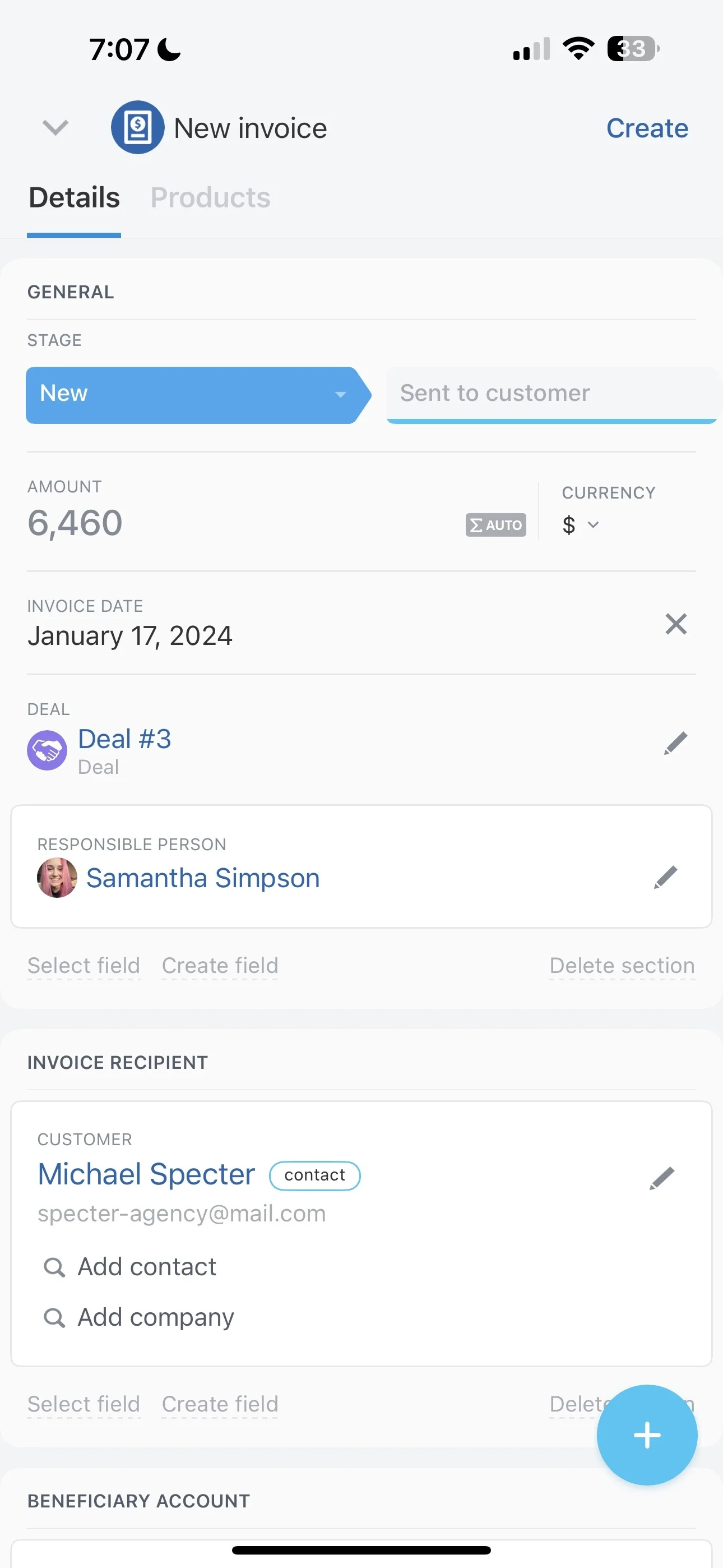
Scenario: inquiry to monthly retainer delivery
A SaaS company requests help with paid search and landing page optimization. The inquiry moves through discovery and proposal, then scope sign-off on a 90-day plan with a monthly retainer. Onboarding starts with a checklist for access, brand guidelines, tracking requirements, and a kickoff date.
Delivery is organized by month: new ad creatives, landing page iterations, and weekly reporting. Each draft goes through client review and approval before launch. At month-end, the account manager reviews what shipped, records any approved scope changes, and prepares the next month’s plan and billing discussion using the same engagement record.