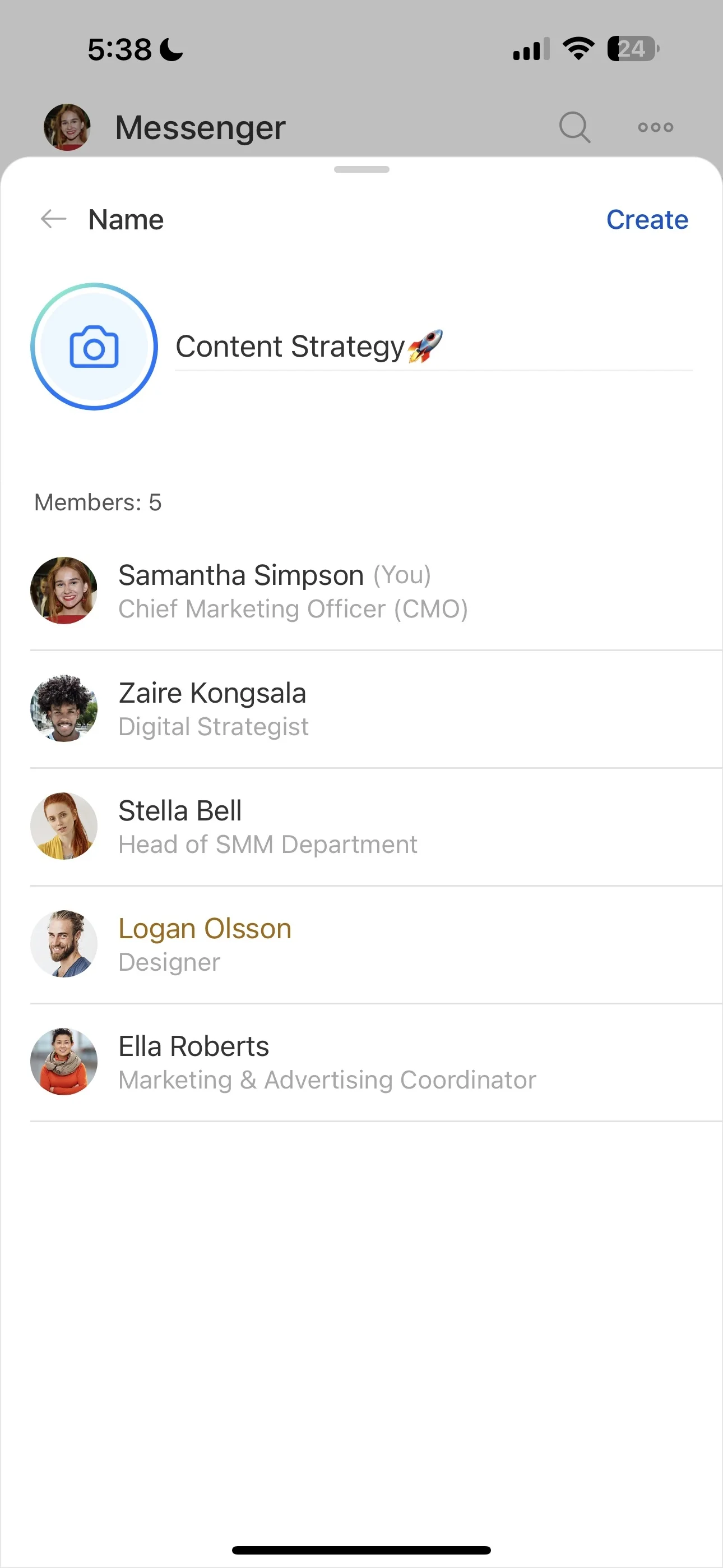
Maintain member profiles with status, terms, and interaction history
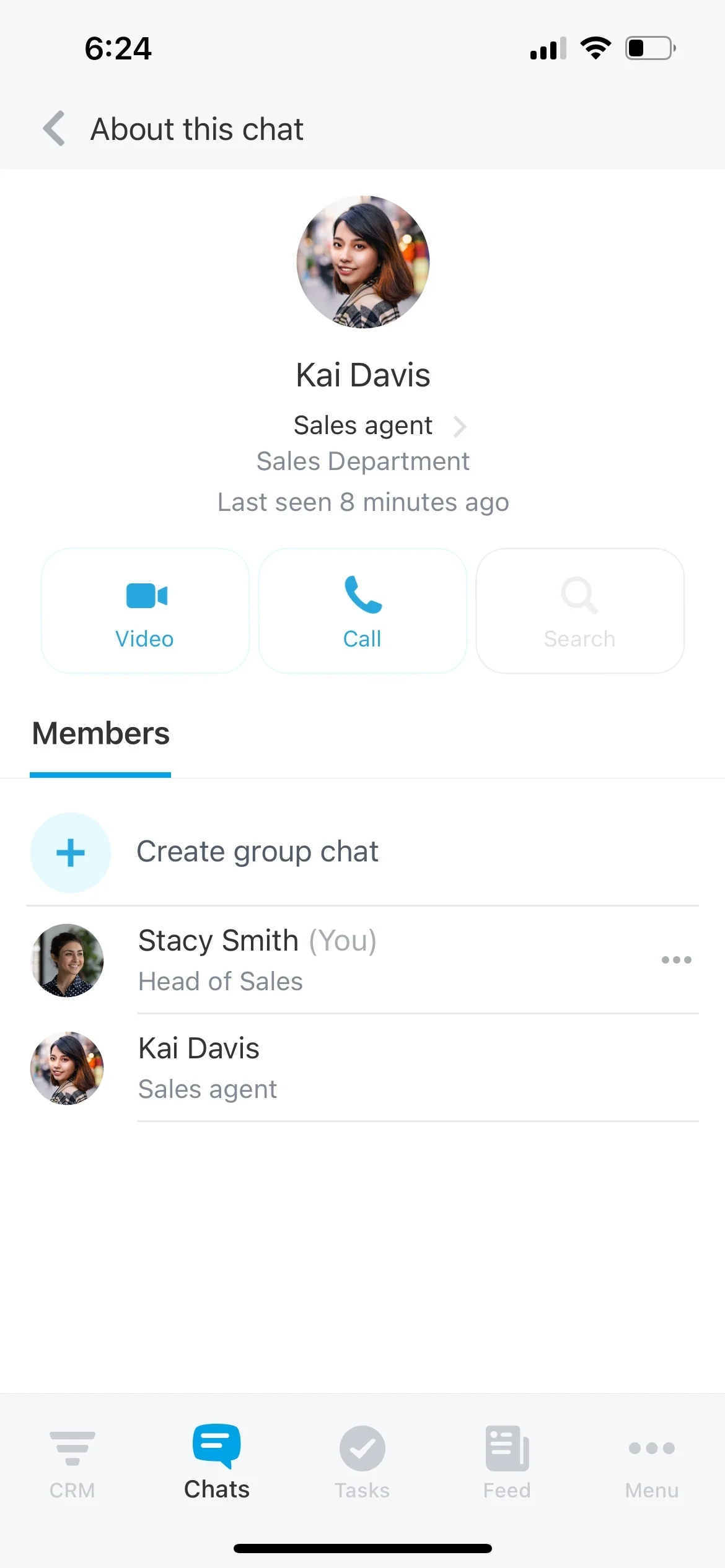
Membership work is a lifecycle, not a one-time sale. You may be processing applications, verifying eligibility, recording dues status, planning events, and handling renewal questions—often with handoffs between membership staff, finance, and program teams.
A CRM for membership organizations should keep that lifecycle connected: one record per member, clear stages from application to active to renewal, and an easy way to see current status, history, and next steps. With Bitrix24, you can structure membership operations around repeatable workflows so applications move forward, dues and renewals are tracked consistently, and event engagement stays tied to the member’s profile for better retention follow-through.
- Maintain member profiles with status, terms, and interaction history
- Organize application, renewal, and follow-up work with clear ownership
- Connect event engagement and post-event actions to each member
End-to-end scenario: application through renewal
1) Intake: An application arrives and a record is created in “Application received,” assigned to a membership coordinator with a checklist of required fields and documents.
2) Review: The coordinator routes the application to a reviewer, records notes, and moves the status to “Approved—pending payment” for finance follow-up.
3) Activation: Once payment is confirmed, the record moves to “Active,” and onboarding tasks are assigned (welcome message, orientation steps, committee intro).
4) Engagement: The member attends an event; post-event actions (survey, certificate, next conversation) are created and linked back to the same record.
5) Renewal: As the renewal date approaches, the member moves to “Renewal due.” The owner follows a renewal checklist, logs communications, and closes the cycle as renewed—or marks lapsed and schedules a win-back sequence.
Manage dues and renewals as a repeatable cycle
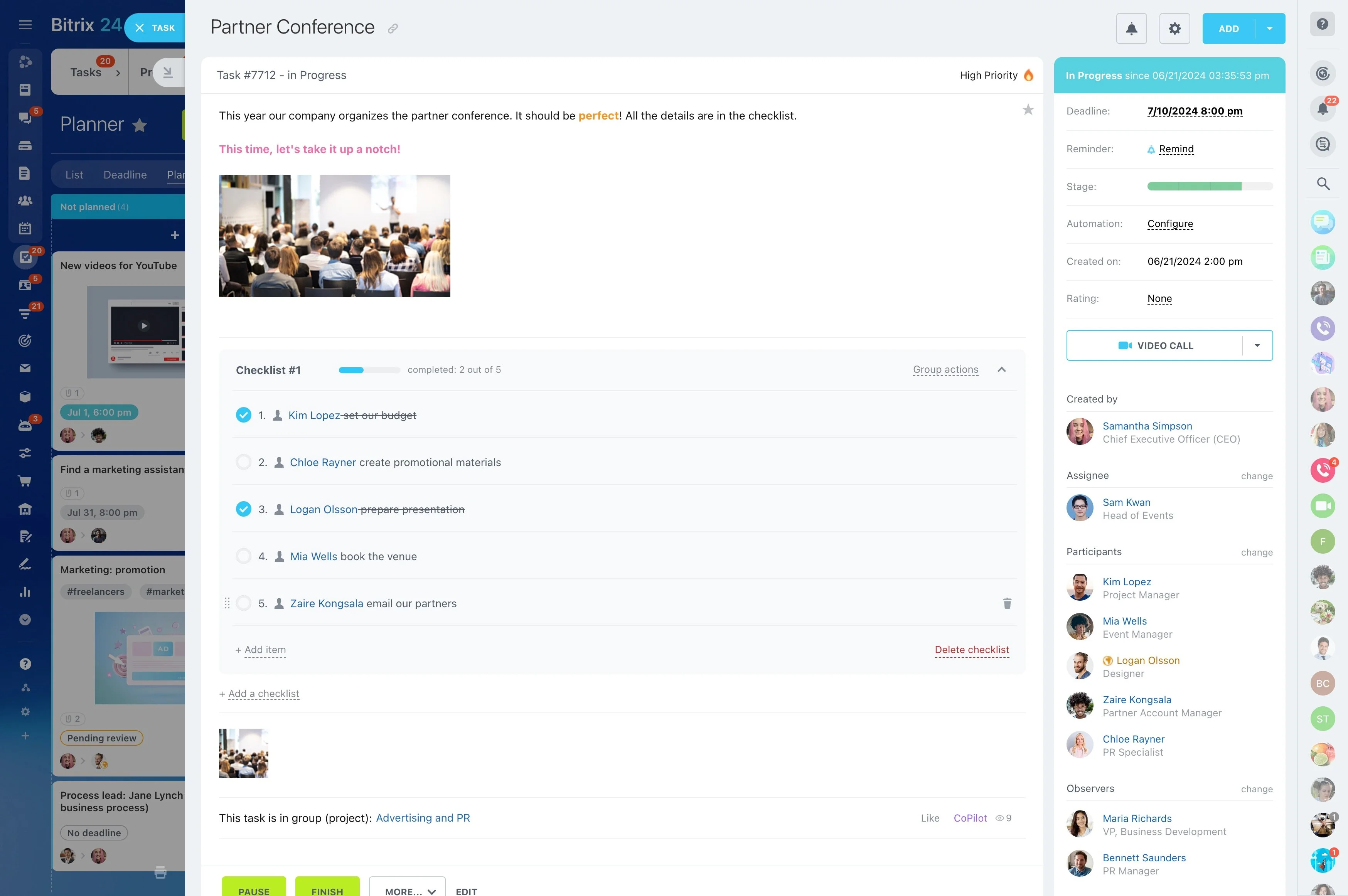
Dues and renewals vary by member type and cadence, so they work best as an operating process—not ad-hoc reminders. Use renewal dates and statuses to drive consistent follow-up, ownership, and outcomes tracking.
- Assign renewal cycles and checklists to specific staff
- Queue outreach based on upcoming renewal dates
- Record outcomes (renewed, pending, lapsed) for reliable reporting
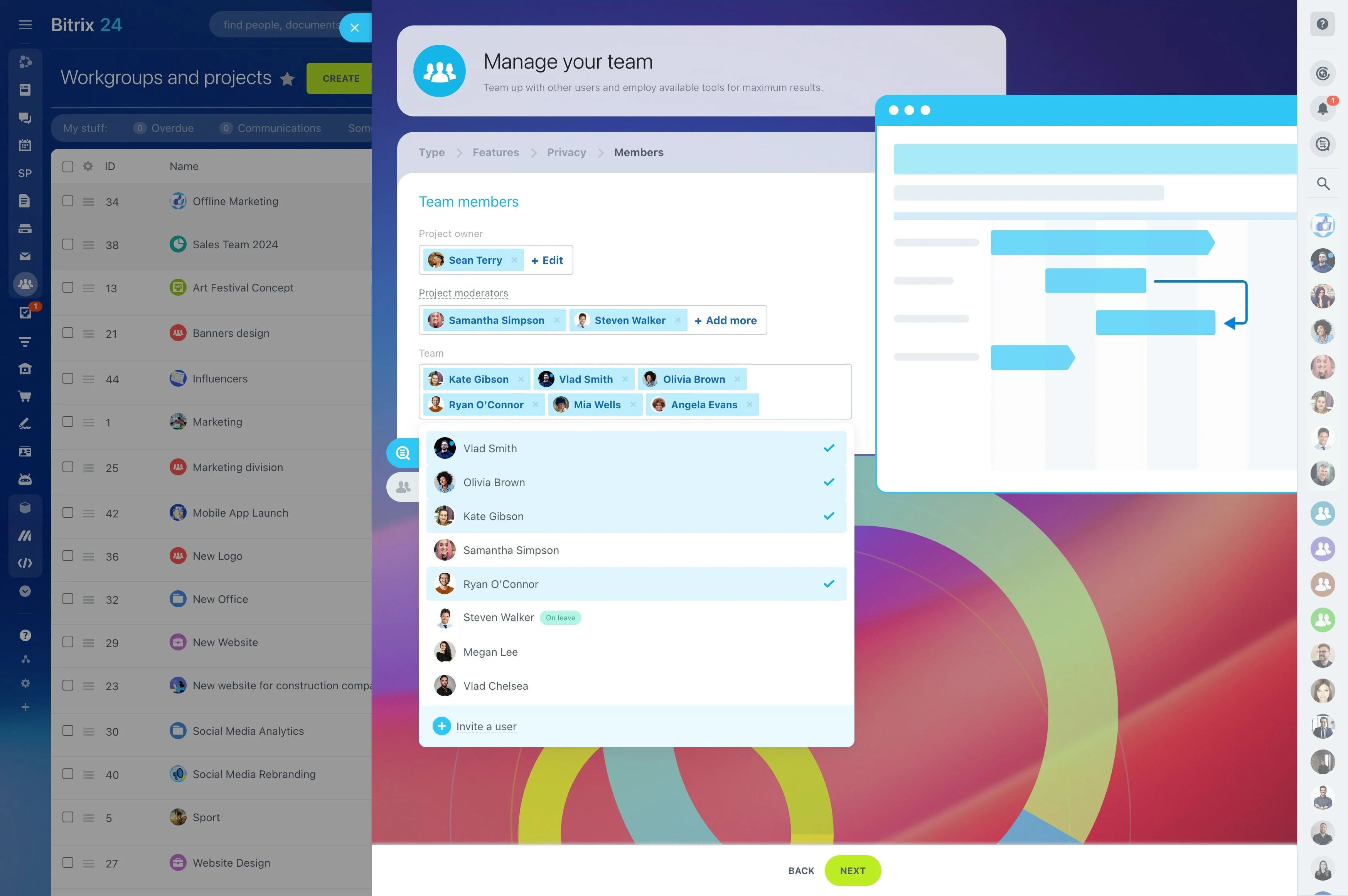
Map membership into clear lifecycle stages
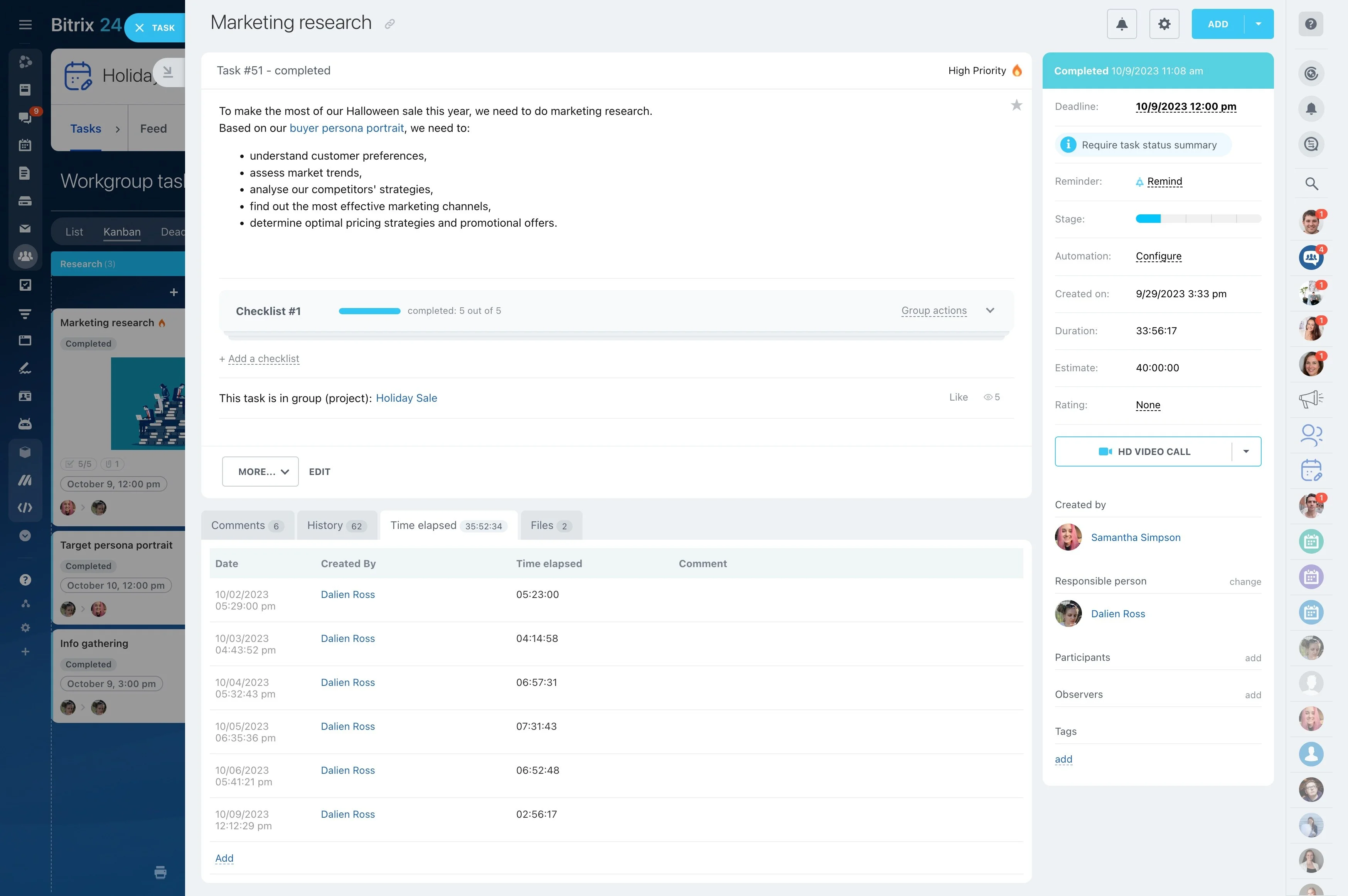
Membership teams typically work through stages such as applicant, approved, active, renewal due, lapsed, and re-engaged. Define stages that match your real process and include variations like individual vs. corporate memberships, term lengths, and eligibility checkpoints.
With a consistent stage model, staff can quickly answer: who’s waiting for review, who is active but unpaid, who is due to renew soon, and who should receive a win-back outreach.
Build member profiles that carry operational context
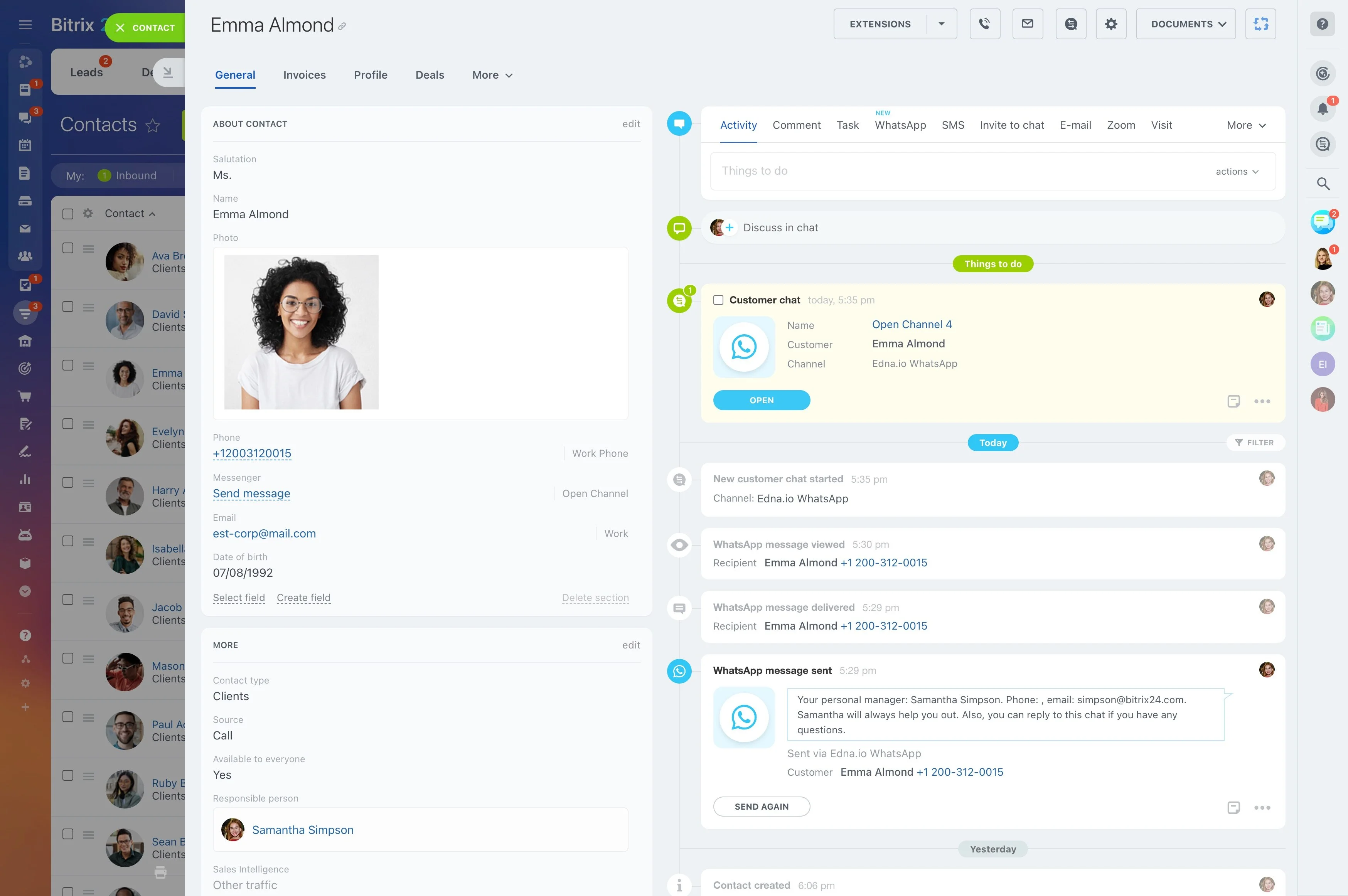
A useful member record includes more than name and email. Track membership level, start/end dates, renewal date, billing contact (for organizations), preferences, and a running history of interactions.
- Keep key dates and attributes available for segmentation and follow-ups
- Log messages and calls so outreach stays consistent across staff
- Attach documents such as applications, approvals, or invoices
Process applications with owners and next steps
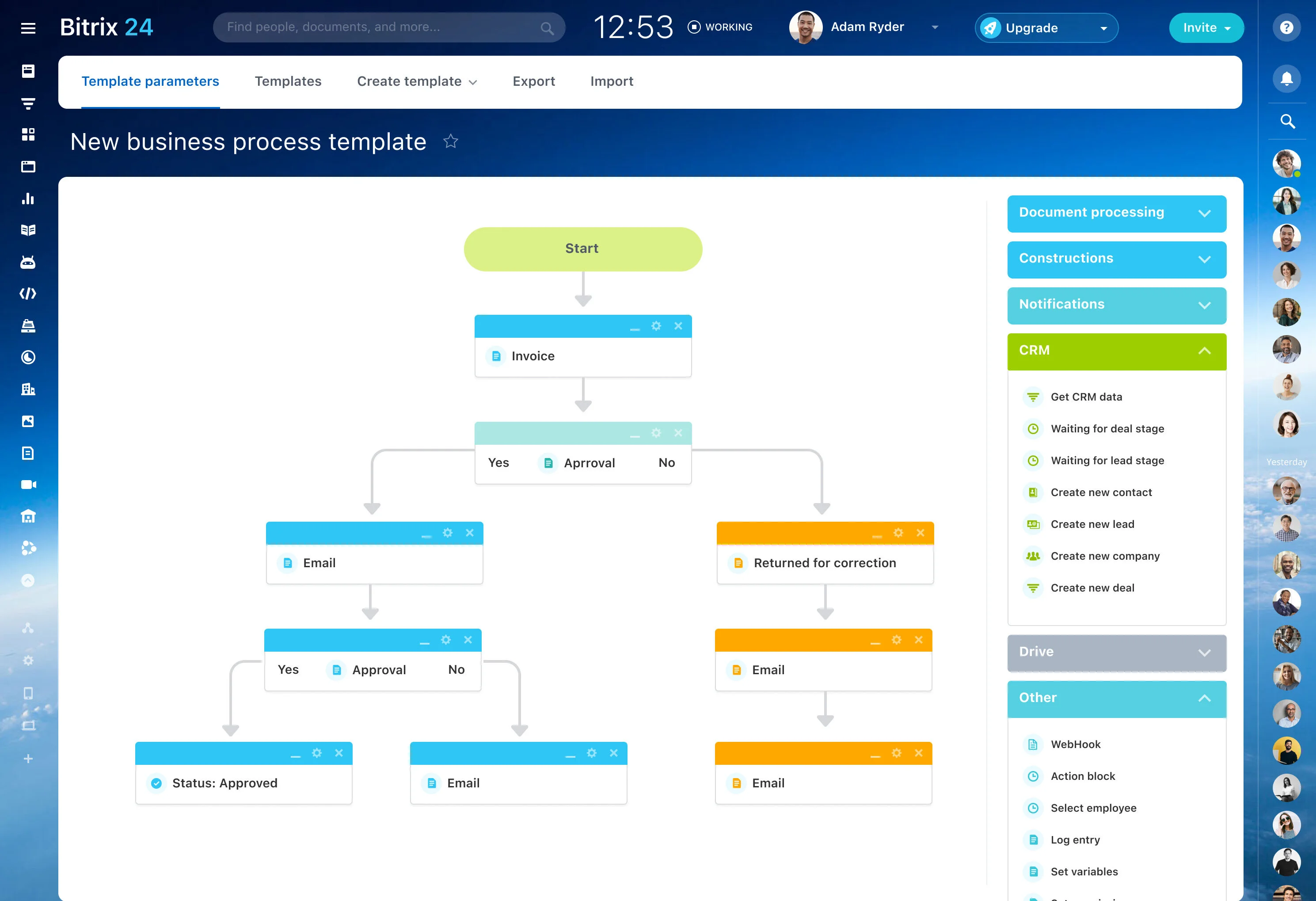
Applications usually move through intake, review, approval, payment, and activation. Treat each step as part of a defined workflow with an owner and a specific next action, so reviews don’t stall and applicants receive timely updates.
As the status changes, keep internal work (requests for missing info, reviewer questions, finance confirmation) connected to the same record along with notes and submitted documents.
Tie event engagement back to the member record
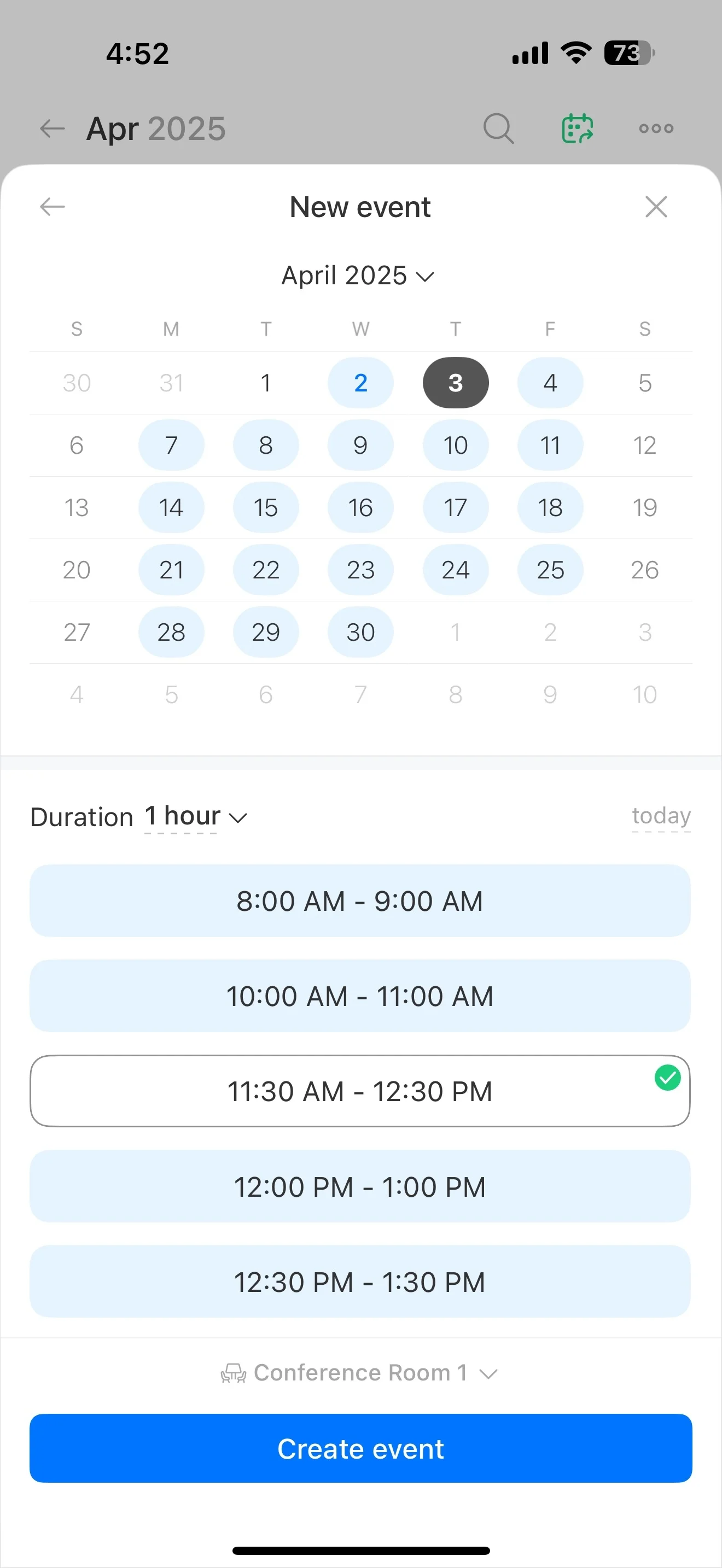
Attendance, volunteering, sponsorship, and session participation often influence retention. Keep event-related communications and follow-ups connected to the member profile so your team can see engagement over time.
After an event, create and track next steps—confirmations, certificates, surveys, sponsor actions, or membership upgrade conversations—without losing the context of the member relationship.
Communicate by status, intent, and segment
Members need different messages depending on where they are in the lifecycle: onboarding for new members, renewal outreach for expiring terms, program updates for active segments, and reactivation campaigns for lapsed members.
When communication is tied to member status and history, staff can avoid conflicting outreach, see what was promised, and pick up the right follow-up with a clear owner.