Filtering the Noise: Using AI to Qualify Web Leads Before They Reach Sales

TL;DR: AI lead qualification uses chatbots, scoring rules, and automated routing to filter inbound web leads before they reach Sales. The system captures every inquiry, qualifies visitors in real time, scores them on fit and intent, then routes sales-ready leads to reps while redirecting noise. Result: faster response times, cleaner pipeline, higher conversion rates.
Your Sales team didn’t lose the deal because they followed up too slowly.
They lost it because they were busy replying to five leads that were never going to buy.
When every form fill hits the same inbox, reps spend their day sorting noise instead of closing real opportunities.
AI lead qualification is the process of using chatbots, scoring models, and routing automation to evaluate inbound web leads instantly: determining fit, intent, and next steps before a sales rep ever gets involved. Instead of treating every form fill and chat inquiry the same, qualified leads earn their way into your Sales pipeline.
This guide is for marketing and sales operations teams experiencing growing inbound volume but declining lead quality. You'll learn how to build a four-step qualification system (capture → qualify → score → route) that protects Sales time and improves conversion rates.

Key Terms Defined
Lead qualification: The process of determining whether an inbound inquiry matches your ideal customer profile and shows sufficient buying intent to warrant Sales attention.
Fit score: A measure of how well a lead matches your target customer criteria (industry, company size, use case, region).
Intent score: A measure of how ready a lead is to buy (urgency, pricing interest, decision-maker status).
Routing: Rules that automatically direct leads to the appropriate next step—Sales handoff, further qualification, nurture sequence, or redirect.
Inbound noise: Non-sales inquiries that consume Sales time: spam, job seekers, vendors, researchers, and low-intent visitors.
AI Lead Scoring Builder: Custom Qualification Matrix
Enter your email address to get a comprehensive, step-by-step guide

The Real Inbound Noise Problem
More web leads don't automatically mean more revenue. When every inquiry lands in the Sales queue, reps become intake filters instead of closers.
Common sources of inbound noise:
- Spam or automated submissions
- Job seekers using contact forms
- Vendors and agencies pitching services
- Students or researchers requesting information
- Prospects outside your target market
- Low-intent visitors "just exploring"
Where teams go wrong: They add stricter SLAs, ask Sales to "work faster," or hire more SDRs. All of these happen after noise enters the system.
The real fix is upstream. Sales should be your final conversion engine, not your first filter. When qualification happens before inquiries reach reps, high-intent buyers get faster responses and your pipeline reflects real opportunities.
The AI Lead Qualification System
AI qualification works when it follows a simple, repeatable four-step process:
|
Step |
What Happens |
Outcome |
|---|---|---|
|
Capture |
All inbound inquiries enter one workflow (forms, chat, landing pages) |
Consistent intake regardless of source |
|
Qualify |
AI chatbot asks focused questions in real time |
Unstructured inquiries become structured data |
|
Score |
Fit and intent signals are evaluated against rules |
Priority becomes clear and defensible |
|
Route |
Leads move to defined next steps based on score |
Sales-ready leads fast-tracked; noise redirected |
This creates a qualification gate between inbound traffic and your Sales team. Leads don't just enter your pipeline; they earn their way in.
Using AI Chatbots to Qualify Leads in Real Time
A qualification chatbot has a narrow job: understand why someone reached out, collect enough information to assess fit and intent, and trigger a clear next step.
What a qualification chatbot must do:
- Identify intent — Are they looking to buy, asking for support, or something else?
- Collect contact details — Name, email, company
- Ask 3–5 qualification questions — Focus on fit and readiness
- Trigger a clear outcome — Sales handoff, meeting booking, nurture, or redirect
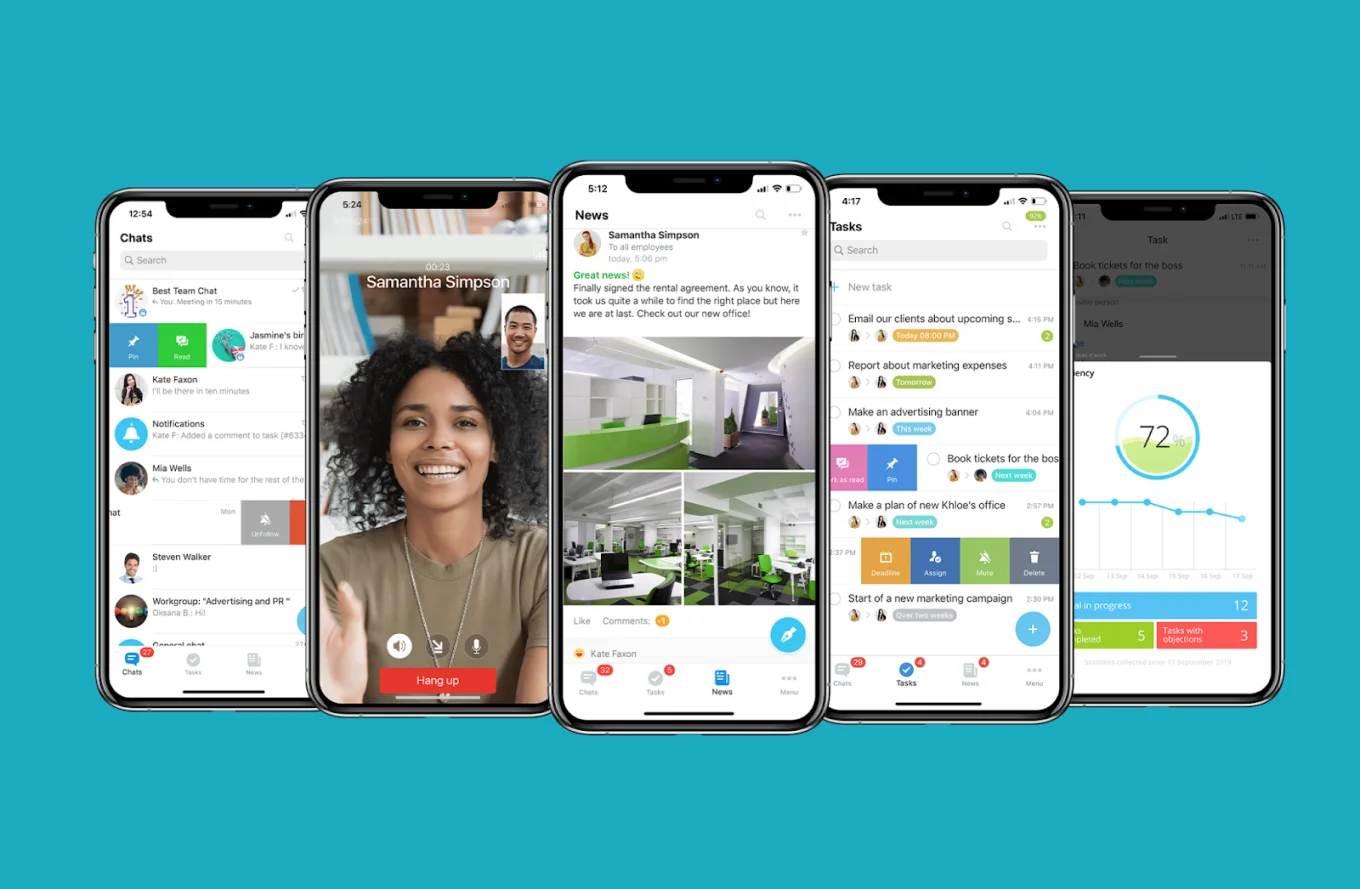
Use a chatbot builder that connects directly to your CRM, so responses populate lead records automatically.
Effective qualification questions:
- Use case: "What are you looking to improve right now?"
- Company fit: "What industry are you in?" / "How big is your team?"
- Urgency: "When do you want to get started?" (ASAP / 1–3 months / just researching)
- Buying readiness: "Are you looking to move forward now or still comparing?"
- Decision-maker signal: "Are you the person who would approve this?"
Branching logic removes noise:
- High-intent signals (demo requests, pricing questions, urgent timelines) → immediate Sales handoff
- Medium-intent signals (good fit, unclear timing) → further qualification or nurture
- Non-sales signals (support, job inquiries, vendor outreach) → redirect immediately
Lead Scoring That Sales Will Trust
Once chatbot answers are collected, scoring determines priority. Most scoring models fail because they're either too complex (dozens of rules no one can explain) or too shallow (scoring only intent, ignoring fit).
The fit-and-intent model:
|
Dimension |
What It Measures |
Example Signals |
|---|---|---|
|
Fit |
Is this the kind of customer you want? |
Industry, company size, region, use case |
|
Intent |
How ready are they to buy? |
Timeline, pricing interest, decision-maker status |
Sample scoring rules:
Fit indicators:
- Target industry → +15
- Company size in range → +10
- Strong use case match → +10
- Outside target region → −15
Intent indicators:
- Demo/consultation request → +25
- Pricing interest → +15
- Timeline "ASAP" → +20
- Confirmed decision-maker → +10
Quality control:
- Business email → +10
- Blank/nonsensical message → −25
- Spam patterns → −50
Negative scoring matters — it prevents low-quality leads from slipping through on one positive signal.
Connect scoring to your CRM, so scores update automatically as qualification data is captured.
Routing Rules That Protect Sales Time
Routing answers one question: Who handles this lead, and how quickly?
|
Route |
Signals |
What Happens |
|---|---|---|
|
Sales-ready |
Demo request, pricing + urgency, implementation questions |
Assign to rep immediately, notify, create task with SLA |
|
Needs qualification |
Good fit but unclear timing, missing data points |
Route to SDR/qualification stage |
|
Nurture |
Early research, long timeline, unclear budget |
Add to nurture flow, schedule future check-in |
|
Non-sales |
Support questions, job applications, vendor outreach |
Redirect immediately, never assign to Sales |
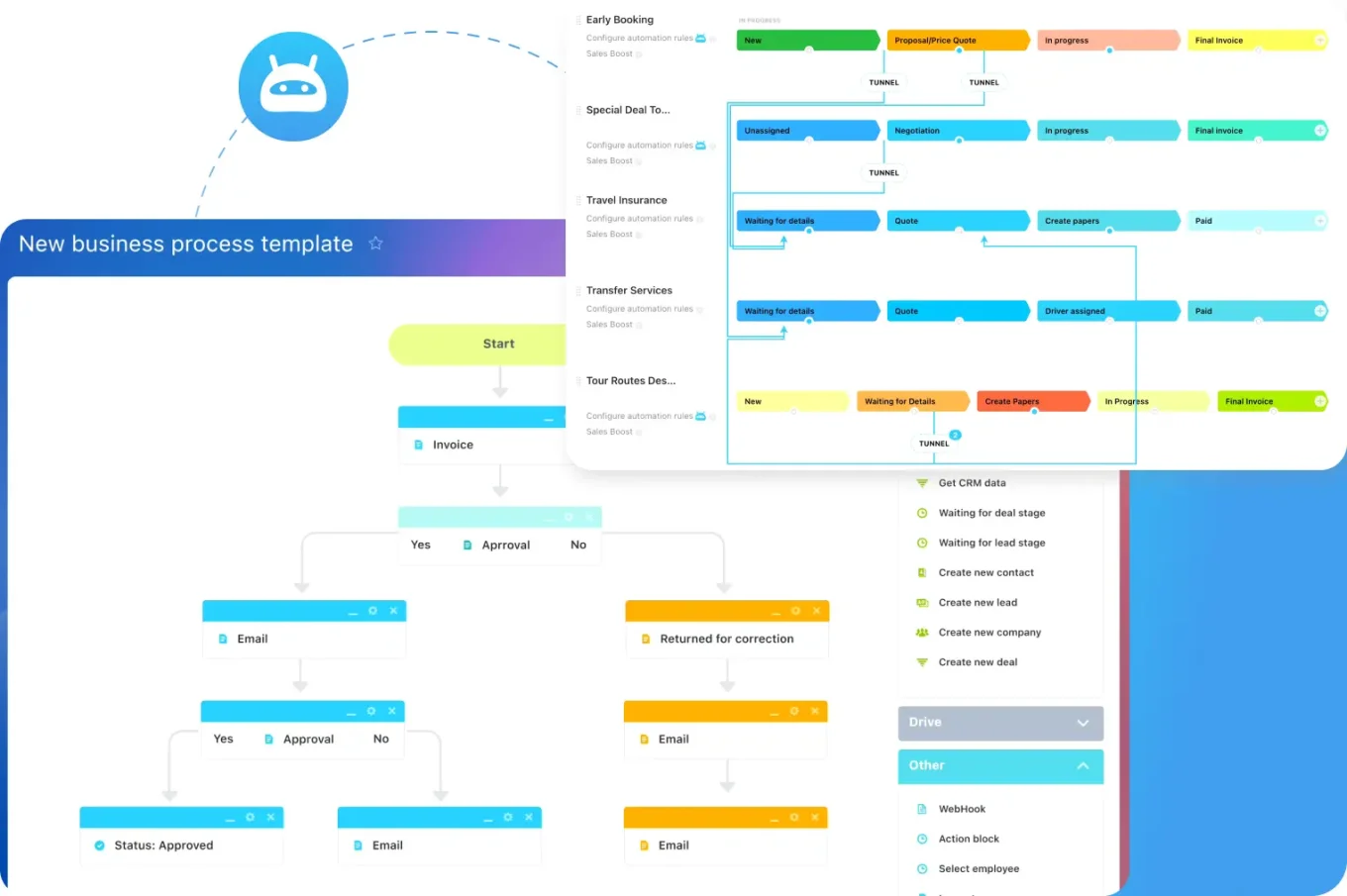
Why automated routing matters: When routing relies on inbox monitoring or manual assignment, leads slip through. Use task automation to trigger assignments, pipeline updates, and notifications instantly.
Implementing This Workflow
The challenge isn't understanding lead qualification, it's keeping capture, chat, scoring, routing, and follow-up connected.
Implementation steps:
- Centralize inbound capture — All forms, chat, and landing pages feed into one CRM system
- Structure your CRM fields — Define fields for: industry, company size, use case, timeline, decision-maker status, lead score, routing category
- Connect qualification to automation — Chatbot responses populate CRM fields → scores update → routing rules fire
- Make Sales handoff clear — Reps see why the lead was routed, key qualification answers, score, and full conversation history
- Refine over time — Adjust chatbot questions, scoring weights, and routing thresholds based on conversion data
Use automated lead management workflows to connect these steps without manual handoffs.
KPIs That Prove Your Pipeline Is Cleaner
Track these metrics to validate that qualification is working:
Speed-to-lead: Average response time for sales-ready leads. Target: under 15 minutes.
Filter rate: Percentage of inbound leads routed away from Sales (to nurture, qualification, or redirect). Higher filter rates with maintained conversion = success.
MQL-to-SQL conversion: Percentage of marketing-qualified leads that become sales-qualified. Improvement here validates your scoring rules.
Close rate by score category: Compare close rates for high-score vs. medium-score leads. If high-score leads close significantly better, your model is working.
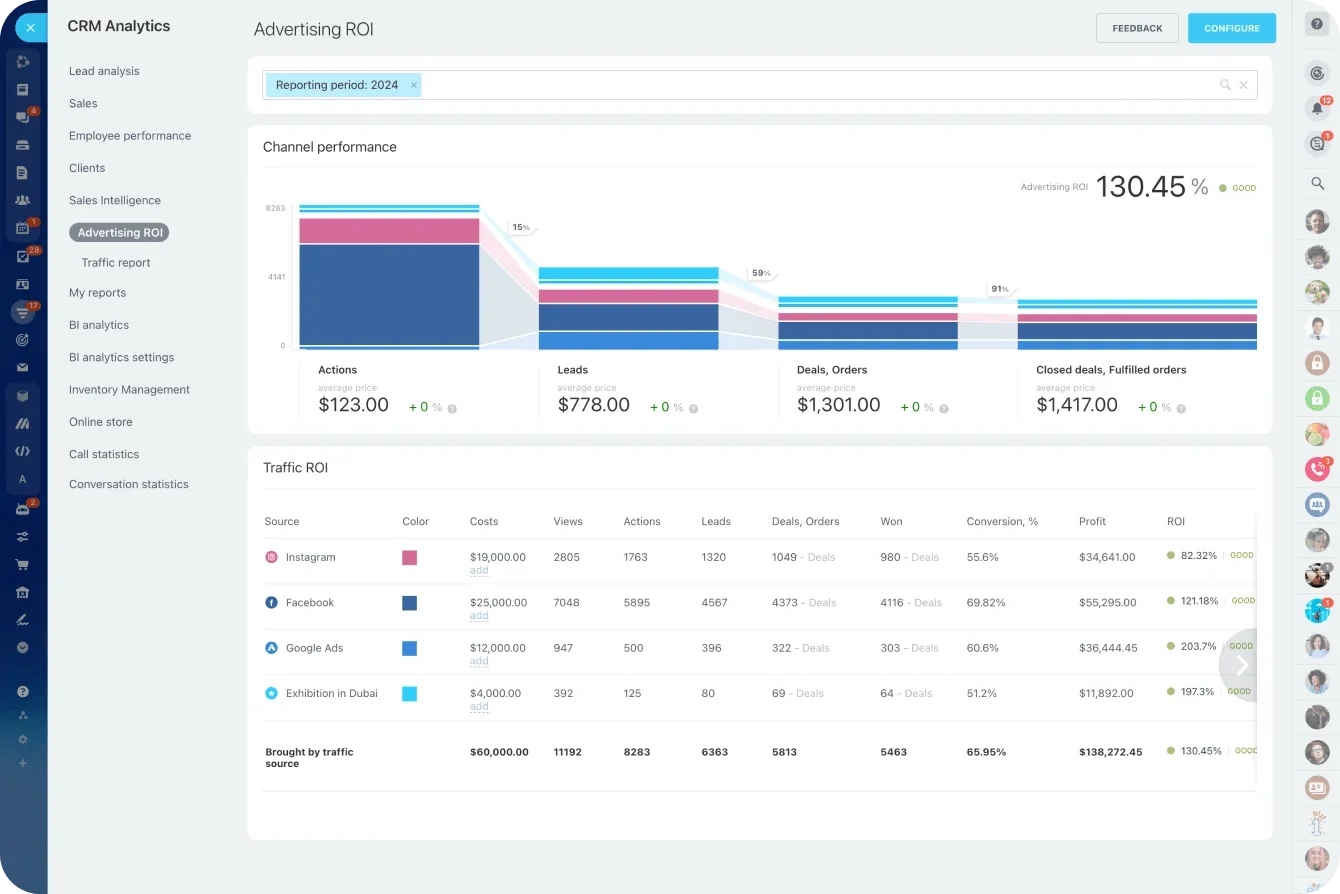
Track these metrics using CRM analytics that follow leads from first inquiry to closed deal.
When This Approach Doesn't Apply
AI lead qualification delivers ROI when you have volume and variation in inbound quality. It's less useful when:
-
Inbound volume is very low. With fewer than 20–30 leads monthly, manual qualification may be faster than building automation.
-
All leads require human judgment. Complex enterprise sales with highly customized solutions may need human qualification from the start.
-
Your ICP is still undefined. If you don't know what a good lead looks like, you can't score for fit. Define your ideal customer first.
-
Sales prefers to qualify themselves. Some sales cultures resist pre-qualification. Address adoption before building the system.
Qualify First, Scale Faster
More inbound leads don't automatically mean more revenue. When noise floods your pipeline, sales slow down, and real opportunities get buried.
The fix is upstream qualification:
- AI chatbots collect intent while visitors are engaged
- Scoring separates fit from urgency
- Routing ensures Sales only sees leads worth their time
Start small. Add qualification to website chat first, then expand to forms. Refine scoring based on which leads actually close.
When your sales pipeline stays clean, your team spends more time on high-quality conversations — and less time sorting.
Revamp Lead Qualification with AI
Supercharge your sales strategy with Bitrix24! Our streamlined CRM system integrates chatbots and automated routing, enhancing the quality of your leads and boosting conversions.
Try Bitrix24 NowAI Lead Qualification FAQ
How does lead scoring work?
Lead scoring assigns points based on fit (how well a lead matches your ideal customer) and intent (how ready they are to buy). Positive signals like demo requests or target industry add points; negative signals like spam patterns or wrong region subtract points. The total score determines routing: high scores go to Sales immediately, medium scores need more qualification, low scores enter nurture or get redirected.
Can a chatbot schedule appointments directly?
Yes. When a chatbot identifies a sales-ready lead, it can offer calendar booking as the next step. The visitor selects a time, and the meeting appears on the rep's calendar with qualification context attached. This eliminates back-and-forth scheduling and captures the lead while intent is highest.
What information should I ask for in a qualifying web form?
At minimum: name, business email, company name, and one qualification question (use case or need). For higher-intent forms (demo requests), add: company size, timeline, and role. Keep forms short: each additional field reduces completion rates. Use progressive profiling or chatbot follow-up to gather more detail after initial capture.
How do you avoid filtering out real buyers by mistake?
The biggest risk in automated qualification is being too aggressive too early. If your chatbot or scoring rules treat missing information as disqualification, you can accidentally redirect high-intent prospects who simply didn’t answer perfectly. The safest approach is to require multiple negative signals before removing a lead from Sales consideration, and to route “unclear” cases into nurture or secondary qualification rather than rejection. Early on, review redirected leads regularly to confirm the system isn’t blocking real opportunities.
Should lead scoring happen before or after a lead enters the CRM?
The best systems do both. Initial qualification should happen upstream so your CRM doesn’t fill with noise, but scoring should ultimately live inside the CRM where it can update over time. Chatbot answers provide the first fit and intent signals, then enrichment, engagement, and Sales activity refine the score as the lead progresses. This keeps routing fast while ensuring prioritization stays accurate as more data becomes available.
How do you get Sales to trust automated scoring and routing?
Sales adoption depends on transparency. Scoring models fail when reps don’t understand why a lead was routed or what the score actually reflects. The fix is to keep rules explainable, show the underlying qualification answers directly in the lead record, and align point values with real closed-won patterns. When reps can see the “why” behind a score (not just the number), routing becomes a trusted system instead of a black box.