Beat platform costs with owned traffic loops
Here's a number that should make you uncomfortable: the average cost-per-click on Google has risen 39% in the past four years. Meta is trending in the same direction. And the moment you pause your spend, your traffic vanishes.
That's the trap of platform-dependent growth. You're renting attention instead of building an asset.
Owned traffic loops fix that. You use paid traffic and social discovery to capture a lead once, then turn that first visit into repeat visits through email, CRM follow-up, and on-site offers—so you’re not paying an ad platform for every touch.
The twist is simple: the cheapest clicks aren’t the ones you optimize for in auctions. They’re the second clicks from people who already know you.
If you want CPA to go down, stop obsessing over cheaper clicks and build a loop that earns return visits. Here’s how.
Why paid traffic keeps getting more expensive
If your ads feel less effective than they used to, you're not imagining it. Several forces are pushing costs up across every major platform.
More businesses run ads every year, increasing bids even in industries that used to be cheap. Privacy updates make it harder to match ads to the right people, so you pay more for less qualified audiences. Platforms maximize their revenue, not yours. And audience fatigue is real: people see more ads than ever, click-through rates decline, and you spend more for the same result.
So even if your marketing execution is solid, the economics can still work against you. At some point, you need a system that makes each paid click yield more than one conversion opportunity.
Transform Paid Clicks to Owned Traffic
Empower your marketing campaigns with Bitrix24. Build efficient owned traffic loops, nurture leads, ensure return visits and reduce CPA over time. Start working smarter today.
Get Started NowWhat paid traffic actually buys you
Paid media isn't bad. It's just limited.
When you run ads, you're buying first attention: that initial click from someone who doesn't know you yet. That matters. But if someone clicks, skims, and leaves, you can't reach them again unless you pay the platform a second time.
But paid traffic is only ever rented attention. Owned traffic is reusable attention. Once someone enters your system, you can reach them again at low cost through email, CRM, your website, and your store. That's why owned channels compound: over time, you need fewer paid clicks to generate the same outcomes, because the second and third visits don't require another auction win.
Seed the loop with social selling
Social selling plays the same role as paid traffic: it creates first attention—often with more trust and less friction.
Use comments, DMs, communities, and creator content to start the conversation, then move it off-platform fast. Point every interaction to a single next step on your site (resource, checklist, offer). Once they click and convert into a lead, your CRM and nurture sequence can bring them back and close the sale.
Social is for discovery. Owned channels are for retention.
The second click strategy
Most marketers obsess over the first click—headlines, audiences, creative, CPC. That work matters, but it’s also the most expensive part of your system because you always have to win an auction.
The second click is different. It comes from someone who already knows you: a subscriber, a returning visitor, someone who clicked an email. That visit often costs almost nothing.
When you build for second clicks, the question changes. You stop asking “How do I lower CPC?” and start asking “How do I turn traffic into owned reach?” and “How do I earn return visits?” That’s where the economics improve.
What the second click strategy looks like in practice
Campaign A has no loop. A paid click lands on a blog post, the visitor leaves, and you have no way to follow up—so you pay again for the next touch.
Campaign B is built for second clicks. The paid click lands on the same post, but a website form offers a useful guide, the lead enters your CRM, a nurture sequence brings some of them back through email over time, a website widget meets them on the return visit, and some convert through your store or sales pipeline.
Campaign B can cost more per click, but it wins over time because you pay once and keep earning returns. The first touch can come from ads or social. The leverage starts when they hit your site, because that’s where you can capture the lead and earn the second visit.
How to build an owned traffic loop
Owned traffic loops only work when the system is built properly. You need a clean path from first click to second click, with each action triggering the next one without manual chasing. Here's how to build yours.
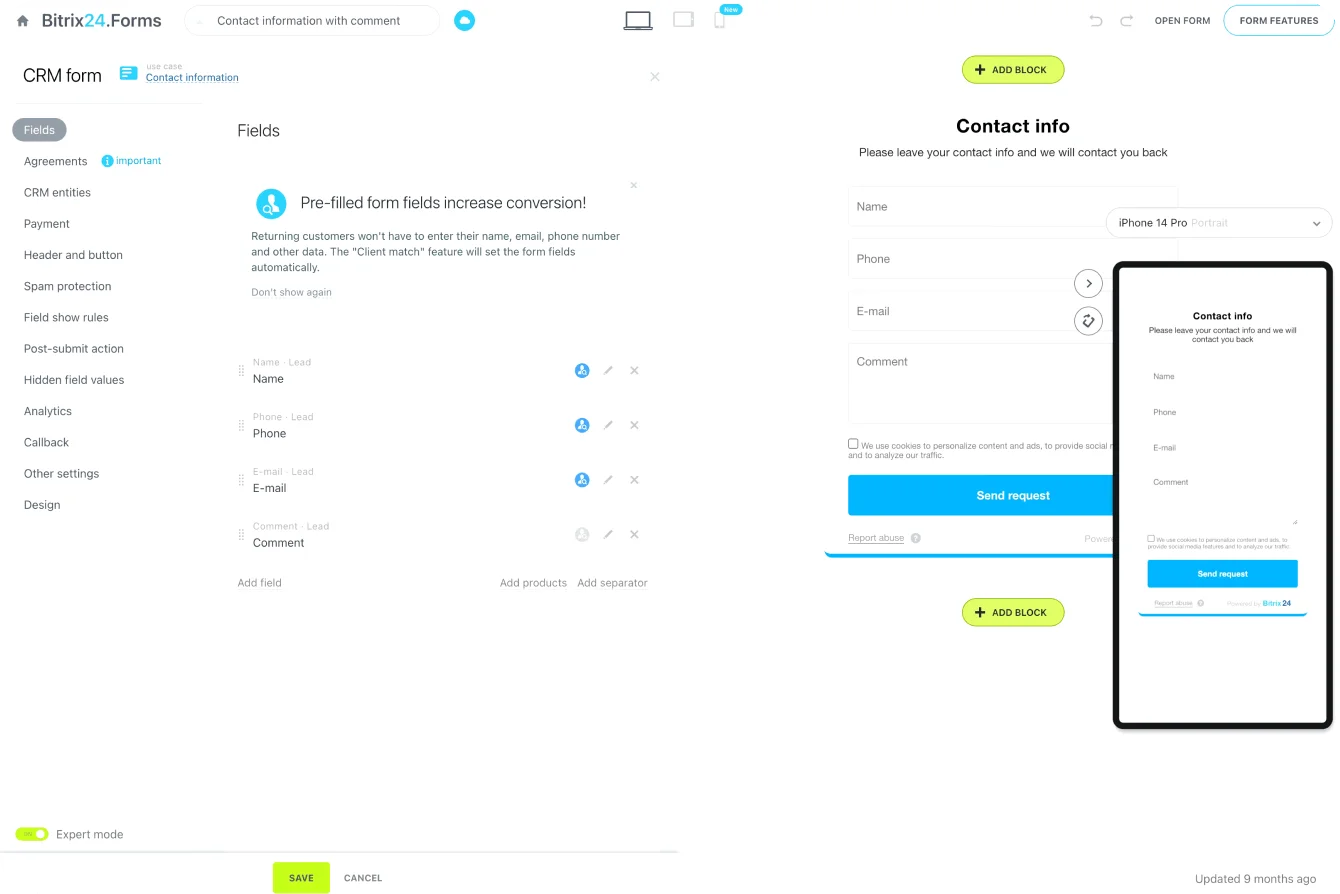
1. Capture leads with website forms
Keep it simple. Collect an email, optionally a name, and one intent question you can use for segmentation (something like "What are you trying to improve right now?"). Make the trade worthwhile with a strong offer: a checklist, discount, calculator, or audit. With Bitrix24 website forms, submissions automatically create leads in your CRM, tagged by source and ready for follow-up.
2. Nurture leads with online marketing tools
Most leads won't buy on day one. Your job is to stay in front of them in a way that feels useful, not pushy.
A simple five-message sequence works well: welcome and deliver the lead magnet, teach something useful, show proof through a case study, handle the most common objection, then make the offer. Short emails and simple language perform better than heavy marketing copy.
Segment based on behavior, so you're not sending the same message to everyone. Which form did they submit? Which pages did they visit? Did they view pricing? Bitrix24's online marketing tools let you run nurture sequences directly from your CRM and trigger follow-ups based on real behavior. This is where owned traffic starts compounding. You're not blasting. You're guiding.
3. Retarget without ads using website widgets
Ad retargeting is still paid and still depends on tracking. Owned loops use a different approach: you retarget people when they return to your site.
Website widget offers work because the visitor is already warm. They've returned and they're paying attention. Show an exit intent discount, a "Book a demo" prompt on pricing pages, or a "Need help choosing?" chat prompt on comparison pages. Widgets start the interaction; Contact Center captures and routes it so it becomes CRM activity.
4. Convert inside your online store
Once your second clicks start flowing, conversion needs to be easy. Whether that's a checkout, booking flow, or demo request, reduce friction and make the next step obvious. Bitrix24's website builder lets you create landing pages and online stores that connect directly to your CRM, so every conversion is tracked.
Social platforms are excellent for discovery, but you don't want to build the core of your business inside someone else's platform. Move people into your website, your CRM, your store, and your owned communication channels. That's how you stop paying for every touch.
5. Sync everything into sales management
Loops break when handoffs break. The most common failure: marketing captures leads, but sales doesn't follow up fast enough, or the follow-up happens without context.
Your sales team should see new form submissions, email engagement, key page visits, abandoned carts, and widget interactions. These shouldn't sit in isolation; they should drive action. Automation should assign leads to the right rep, send immediate confirmation, create follow-up tasks, and notify sales when intent spikes.
Bitrix24's sales management tools keep all this activity on a single customer record, so reps have full context when they follow up. Speed matters. A fast, relevant follow-up often beats a better ad.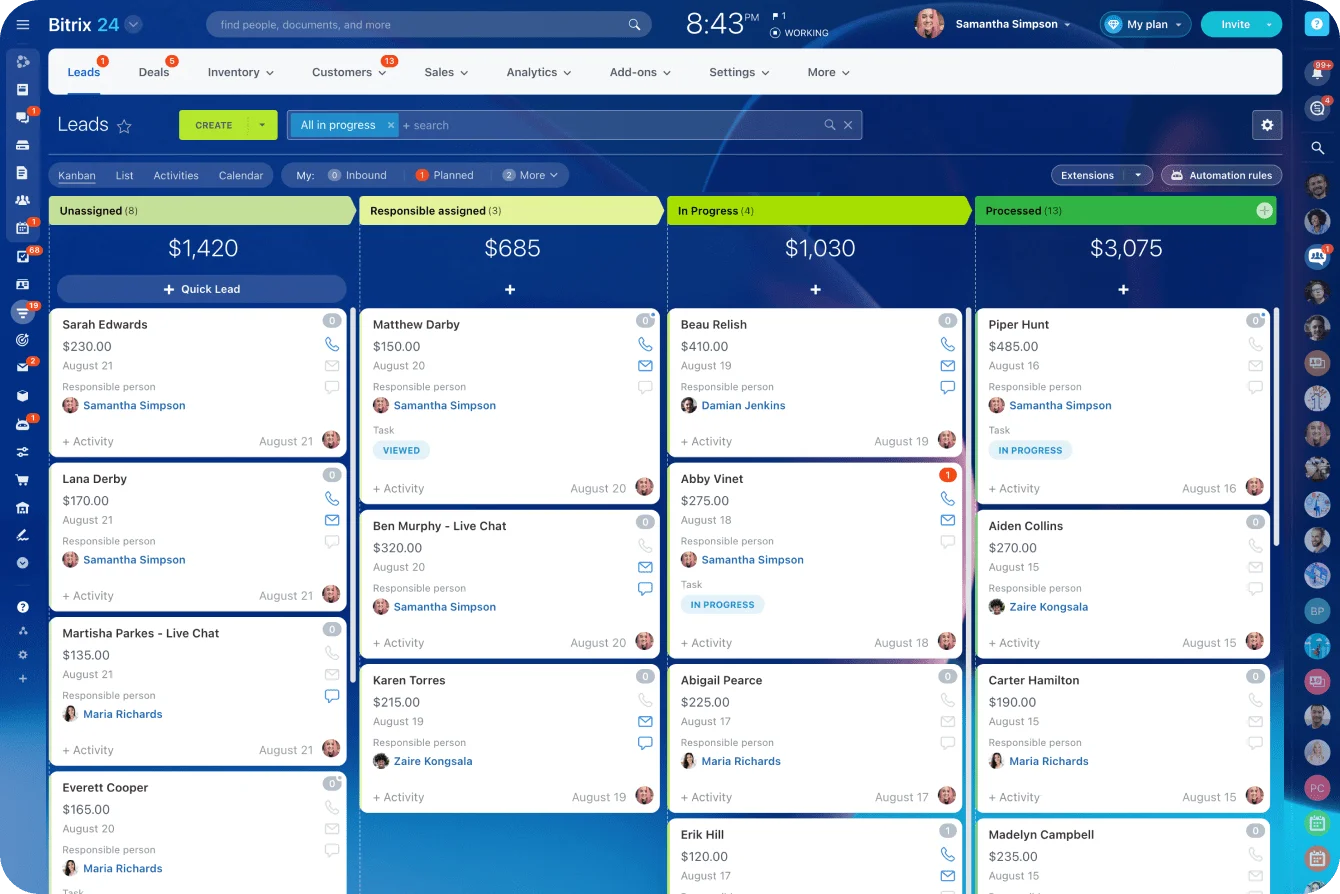
The loop is: paid click or social touch → capture → nurture → return visit → higher-intent offer → conversion → post-purchase follow-up → repeat visit. As the loop runs, second and third visits do more of the work, which is why CPA falls and customer value increases over time.
Predict LTV by source
Clicks and CPA matter, but they only describe the beginning of the relationship. They don’t tell you which sources create the best customers.
A channel can look expensive upfront and still win if it drives bigger deals, faster closes, repeat purchases, and stronger retention. That’s why optimizing purely for CPA can push you to scale the wrong traffic.
When your loop runs through your CRM, you can tie source to outcomes: what a lead engaged with, how quickly they converted, what they bought, and what they’re worth over time. CoPilot in CRM can help surface these patterns by summarizing lead history, flagging intent signals (like pricing views and repeat visits), and helping sales prioritize follow-up. Once you can estimate LTV by source, you stop chasing “cheap” clicks and start investing in the sources that compound.The 90-day rollout
You don’t need a massive rebuild. A 90-day window is enough to capture leads consistently, run nurture long enough to generate return visits, and collect enough CRM data to start evaluating LTV by source. Many teams see a 20–30% reduction in CPA over this period.
Weeks 1–2: build entry points
- Launch one lead magnet form
- Add one high-intent form (demo request or quote)
- Create one website widget offer
- Connect everything to your CRM and set at least one automation trigger
Weeks 3–6: build nurture and segmentation
- Write a simple five-message sequence
- Segment by source, behavior, or intent (keep it lightweight)
- Add intent signals to your pipeline so sales can prioritize follow-up
Weeks 7–12: optimize the loop
- Match widget offers to intent (pricing visitors see demos; comparison visitors see “help choosing”)
- Tighten sales follow-up speed with automation and alerts
- Start comparing LTV by source, even if the data is still directional
CPA improves because more traffic gets captured, more leads return through nurture, more conversions happen on second and third visits, and sales follows up faster with better context.
How to know it's working
Track five metrics each week: lead capture rate (visitors to leads), cost per captured lead (more useful than CPC), return rate (the share of leads who revisit within 30 days), and conversion rate on returning visitors.
Review LTV by source monthly once you have enough closed-won data to make it meaningful. Bitrix24’s analytics tools make it easier to pull this together without living in spreadsheets.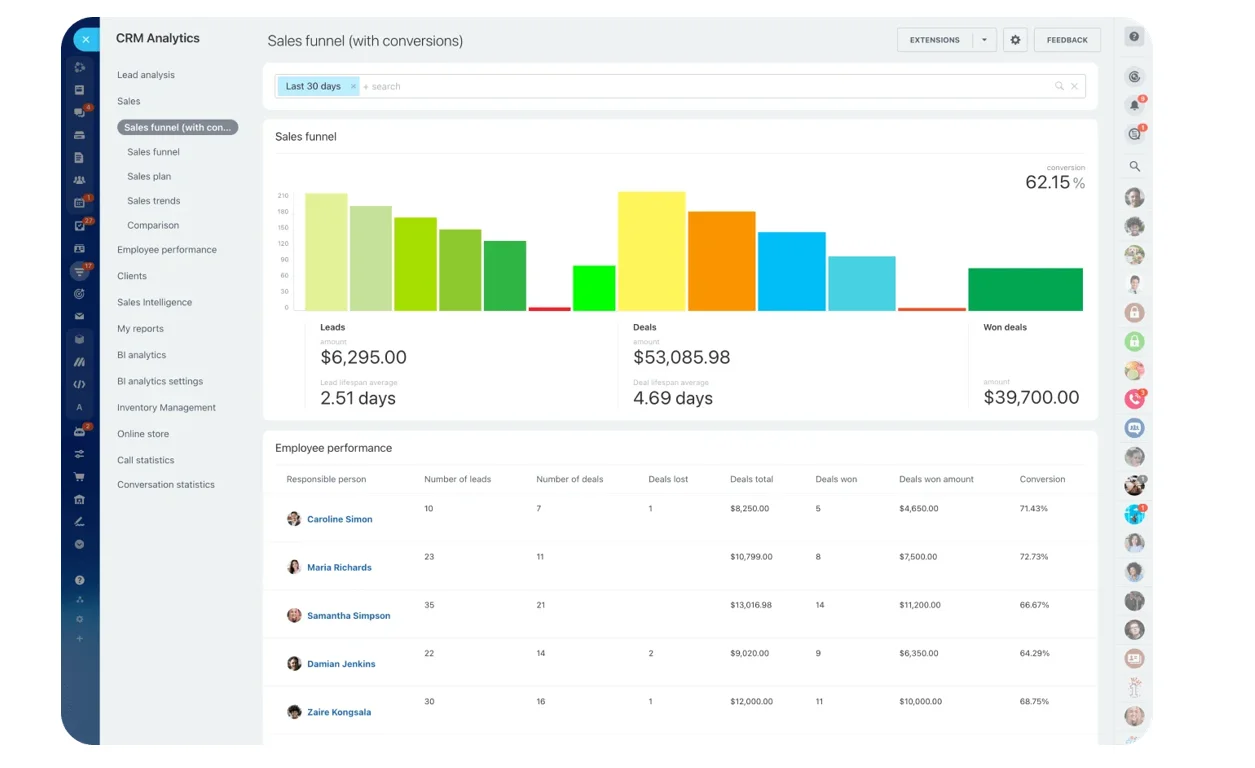
When one number is off, it usually points to the bottleneck:
-
Low capture rate means your offer or form needs tightening.
-
Low return rate means your nurture isn’t pulling people back.
-
Strong return rate but weak conversions means your on-site offers and follow-up speed need work.
-
Conversions with low LTV means you’re scaling the wrong sources and need stronger post-purchase sequences.
Start compounding
If you take one thing from this, make it this: stop treating every click like a single shot. Build the loop that earns the second visit.
Keep it simple. Pick one entry point and run it end-to-end: capture the lead, follow up automatically, give returning visitors a clear next step, and track what converts by source. Then iterate weekly. You’re not trying to “do owned traffic.” You’re trying to make one campaign keep paying you back.
Bitrix24 makes this easier because the loop can live in one system instead of five tools and a spreadsheet. Build the loop once. Let every click work harder after that. Start free with Bitrix24.
FAQs
What incentives move users off platforms?
Offer something the platform can’t: immediate, tangible value. The most reliable options are a first-subscriber discount (often 10–15%), early access, a useful downloadable resource (checklist, calculator, guide), or members-only content. Sweeten the move with urgency (time limits, limited spots, or an exit-intent bonus) so “later” doesn’t become “never.”
How often should email cadences run?
For nurture, start faster while interest is fresh: one email every 2–3 days for the first two weeks. Then shift to weekly touchpoints. Let engagement set the ceiling—if opens drop or unsubscribes rise, slow down; if the content is genuinely helpful (not just promotional), you can sustain a higher frequency.
Which segments deserve SMS nudges?
Use SMS for high-intent, time-sensitive moments: abandoned carts, appointment confirmations, demo reminders, flash sales, and shipping updates. Best-fit segments are recent purchasers, highly engaged subscribers (multiple clicks), and leads returning to pricing or booking pages. Avoid SMS for cold lists or general newsletters; overuse burns trust quickly.
How do we track LTV by traffic source?
Start by tagging every lead with their original source when they enter your CRM, using UTM parameters or form-specific tracking. Then connect that source data to downstream outcomes: deal size, close rate, repeat purchases, and total revenue over time. Most CRMs let you build reports that group customers by acquisition source and calculate average lifetime value per group. Review this monthly. You'll often find that your "cheapest" channel by CPA isn't your most profitable by LTV, which should reshape where you invest.
What tools prevent list fatigue?
Start with segmentation so people get relevant messages, not blasts. Add engagement-based suppression (reduce frequency for non-openers over 30–60 days) and give subscribers a simple preference option for what they receive. Finally, vary your mix (educational, proof, and practical tips) so every email isn’t a sales pitch.